A chipped, cracked, or decayed front tooth can affect not only your appearance but also your ability to speak and bite comfortably. The good news is that modern esthetic restorations can rebuild the shape, color, and function of anterior teeth without always requiring more extensive treatments.
Thanks to advances in restorative dentistry, composite resin fillings can closely match the natural shade of your teeth, creating seamless and natural-looking results. However, the longevity and appearance of the restoration depend not only on the material itself, but also on the condition of the tooth, the dentist's technique, and your oral care habits.
Understanding when a composite tooth filling is sufficient—and when a veneer or dental crown may be more appropriate—can help you make informed decisions before tooth decay progresses further.
What Is an Anterior Tooth Filling?
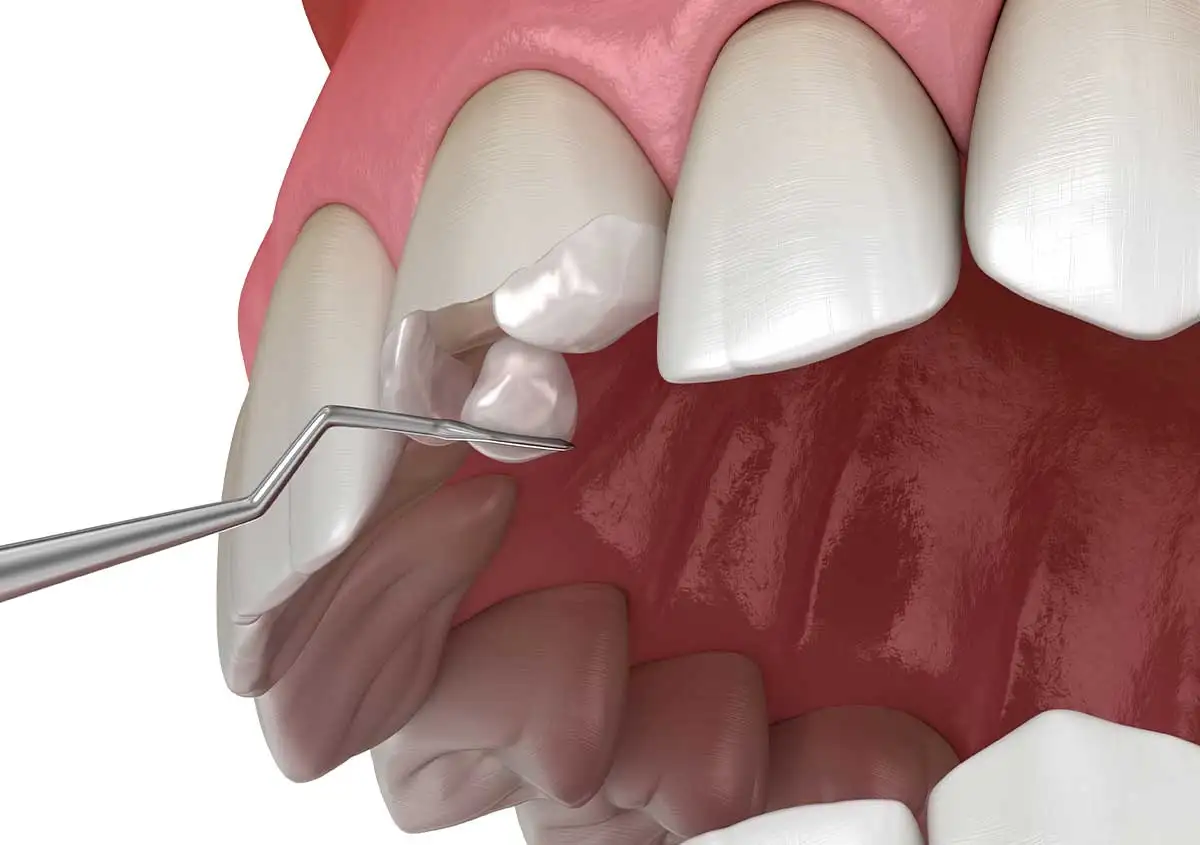
An anterior tooth filling is an esthetic restorative procedure used to repair front teeth affected by tooth decay, small fractures, minor chips, or tooth wear. The treatment restores the tooth's shape, function, and appearance by placing a restorative material directly onto the damaged tooth.
Today, composite resin is the most commonly used material for front teeth because it closely resembles the natural color of enamel and can be sculpted directly inside the mouth through a direct restoration technique.
Besides improving appearance, composite fillings also help:
Protect the remaining healthy tooth structure
Prevent cavities from becoming larger
Reduce the risk of pulp infection
Restore normal biting and speaking function
The earlier tooth decay is treated, the more healthy tooth structure can be preserved.
When Is an Anterior Tooth Filling Needed?
Not every damaged front tooth requires veneers or a dental crown. In many situations, an esthetic composite restoration provides excellent functional and cosmetic results.
Front Tooth Decay
Dental caries is one of the most common reasons patients require an anterior tooth filling.
Small to moderate cavities can usually be restored successfully with composite resin after all decayed tooth structure has been removed.
Generally, the smaller the cavity, the simpler the restoration.
Chipped or Slightly Fractured Front Teeth
Falls, sports injuries, or biting hard objects can cause part of a front tooth to chip or fracture.
If the fracture does not involve the dental pulp (nerve) and sufficient healthy tooth structure remains, the tooth can often be repaired using direct composite restoration.
When performed properly, the restoration can closely resemble the natural tooth, making it difficult to distinguish from the original.
Worn or Eroded Teeth
Front teeth may gradually lose structure because of:
Teeth grinding (bruxism)
Acid erosion that wears away enamel
Abrasive toothbrushing habits
In selected cases, composite resin can restore the tooth's original contour while reducing tooth sensitivity.
Composite Resin: The Preferred Material for Esthetic Tooth Fillings
The choice of restorative material depends on the size and location of the defect, esthetic expectations, and functional requirements.
Tooth-Colored Composite Resin
Composite resin is considered the material of choice for esthetic anterior restorations because it offers several advantages:
Matches the natural tooth color
Produces highly natural-looking results
Can be polished to mimic enamel gloss
Preserves more healthy tooth structure than many indirect restorations
Can often be repaired if small chips occur later
Modern composite materials are available in different translucencies, allowing dentists to use layering techniques that closely reproduce the appearance of natural teeth.
Direct Restoration for Natural Results
As the name suggests, direct restoration is completed directly inside the patient's mouth and is usually finished in a single appointment.
To achieve a strong, functional, and natural-looking restoration, the dentist will:
Remove all infected tooth structure
Apply a bonding agent to ensure strong adhesion
Layer tooth-colored composite resin gradually to reproduce natural color transitions
Sculpt the tooth anatomy for proper bite function
Cure each layer using a special light
Finish and polish the restoration to create a smooth, glossy surface that also helps reduce future plaque accumulation
With proper layering techniques, direct composite restoration offers an efficient solution for restoring both the appearance and function of front teeth.
The Anterior Tooth Filling Procedure
The treatment generally involves the following steps.
Clinical Examination
The dentist evaluates the affected tooth through a clinical examination. In certain cases, dental X-rays are recommended to determine whether decay has reached the pulp.
Shade Selection
Before the tooth dehydrates during treatment, the dentist selects the composite shade that best matches the patient's natural teeth to achieve harmonious esthetic results.
Removing Decayed Tooth Structure
All infected tooth tissue is carefully removed while preserving as much healthy tooth structure as possible. This conservative approach follows the principles of minimal intervention dentistry.
Composite Restoration
A dental bonding agent is applied to create a durable bond between the tooth and the composite resin. The composite is then placed incrementally, with each layer hardened using a curing light before the next layer is added.
Finishing and Polishing
The final stage includes:
Refining the tooth shape
Adjusting the bite
Smoothing the restoration
Creating a natural enamel-like shine
A smooth surface also helps minimize plaque accumulation and makes oral hygiene easier.
How to Care for a Composite Filling
Although no restoration lasts forever, composite restorations can remain functional for many years with proper care.
To prolong their lifespan:
Brush twice daily using fluoride toothpaste
Clean between teeth with dental floss
Limit sugary foods and beverages
Avoid biting ice, fingernails, or other hard objects
Wear a night guard if you grind your teeth
Visit your dentist every six months for routine examinations
During follow-up appointments, your dentist will assess the restoration for discoloration, marginal leakage, or signs of recurrent decay.
When Is a Filling Not Enough?
Although direct composite restorations are highly effective for small to moderate defects, some teeth require more comprehensive protection.
For optimal long-term outcomes, your dentist may recommend veneers or a dental crown.
When Are Veneers Recommended?
Veneers are often suitable when:
Cosmetic improvement is the primary concern
Significant tooth discoloration cannot be corrected with whitening
Sufficient healthy enamel remains for bonding
When Is a Dental Crown Recommended?
A dental crown may be the better option when:
Extensive tooth structure has been lost
The tooth has undergone root canal treatment
The remaining tooth is weakened or at high risk of fracture
At Onyx Dental Center, treatment planning prioritizes both esthetics and long-term oral health. Your dentist will perform a comprehensive examination, including dental X-rays when indicated, to determine the most appropriate restorative solution.
Conclusion
An anterior composite filling is an effective esthetic restoration for repairing decayed, chipped, fractured, or worn front teeth. Using modern composite resin, dentists can restore the tooth's natural shape, function, and color while achieving highly esthetic results.
However, not every case can be treated with a filling alone. When tooth decay is extensive or the remaining tooth structure is too weak, veneers or dental crowns may provide a more predictable long-term solution.
If you have damage or decay affecting your front teeth, don't wait until severe pain develops. An early evaluation at Onyx Dental Center Karawaci helps determine the most appropriate treatment while preserving as much natural tooth structure as possible.
Read More
References
Alshehri, A., Alkhazaleh, A., Alshabib, A., Algamaiah, H., & Denehy, J. (2025). The pull-through technique: A simplified clinical guide for anterior composite resin restorations. The Journal of Prosthetic Dentistry. Advance online publication. https://doi.org/10.1016/j.prosdent.2025.04.008
Mohamed, A. (2024). The art and science of anterior composite restoration. International Dental Journal. https://doi.org/10.1016/j.identj.2024.07.1003
Nahsan, F. P., Mondelli, R. F., Franco, E. B., Naufel, F. S., Ueda, J. K., Schmitt, V. L., & Baseggio, W. (2012). Clinical strategies for esthetic excellence in anterior tooth restorations: understanding color and composite resin selection. Journal of applied oral science : revista FOB, 20(2), 151–156. https://doi.org/10.1590/s1678-77572012000200005
Shah, S., Hemmings, K., Gulamali, A., & Lally, R. (2024). The survival and clinical performance of anterior composite resin restorations and posterior indirect and cast restorations used to treat generalised tooth wear. British Dental Journal, 237(3), 203–211. https://doi.org/10.1038/s41415-024-7617-z