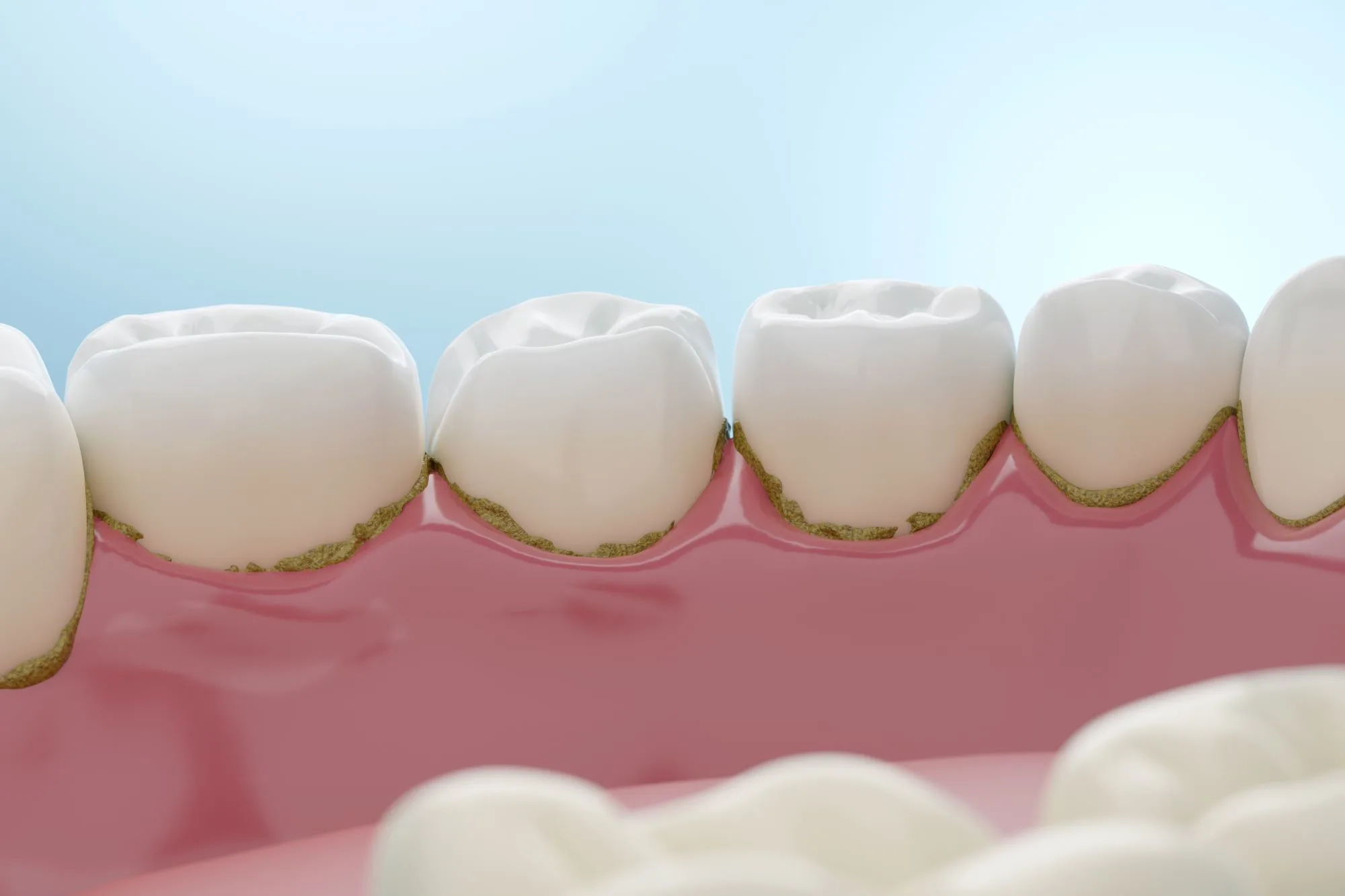
What Is Dental Plaque?
Dental plaque is a thin, sticky, and nearly colorless film that forms on the surface of the teeth due to the buildup of bacteria, food debris, and saliva. Plaque naturally forms every day, even just a few hours after brushing.
Because of its soft texture and transparent appearance, many people do not realize plaque is present. However, if it is allowed to accumulate for too long, plaque can harden into tartar and become one of the main causes of tooth decay, bad breath, and gum disease.
Plaque is most commonly found:
Along the gum line
Between the teeth
On molar surfaces
In areas that are difficult to clean while brushing
How Does Plaque Form?
After eating or drinking—especially foods high in sugar and carbohydrates—bacteria in the mouth break down food particles and produce acid.
This acid combines with bacteria and saliva to create a biofilm known as dental plaque.
If plaque is not removed regularly:
Bacteria continue to multiply
Acid begins damaging the tooth enamel
Plaque hardens due to contact with minerals in saliva
Tartar (dental calculus) forms
This is why dental plaque is considered the starting point of many oral health problems.
Dental Plaque vs Tartar: What’s the Difference?
Many people assume plaque and tartar are the same thing, but they are actually different.Tartar forms when plaque undergoes mineralization from saliva minerals. Once hardened, it requires professional cleaning through dental scaling.
Dental Plaque | Tartar (Dental Calculus) |
Soft and sticky layer | Hardened deposit formed from plaque |
Forms every day | Develops when plaque is left untreated |
Can be removed by brushing and flossing | Cannot be removed at home |
Often nearly invisible | Usually yellowish or brownish |
Contains active bacteria | Creates a rough surface where more plaque can attach |
The Dangers of Untreated Dental Plaque
Tooth Decay (Dental Caries)
Bacteria in plaque produce acids that dissolve minerals and weaken tooth enamel. Over time, this process creates cavities.
In the early stages, it may appear only as white spots on the enamel. As the damage progresses, cavities can extend into the dentin and eventually reach the tooth nerve.
Gum Inflammation (Gingivitis) and Gum Disease (Periodontitis)
Plaque buildup along the gum line can trigger gingivitis or gum inflammation.
Common symptoms include:
Red gums
Bleeding during brushing
Swollen gums
Bad breath
If left untreated, gingivitis may progress into periodontitis, an infection of the supporting tissues around the teeth that can eventually cause loose teeth or tooth loss.
How to Remove Dental Plaque Properly
Effective Tooth Brushing Technique
Brushing remains the most important step in controlling dental plaque. However, technique matters just as much as frequency.
Maintaining oral hygiene is not about brushing harder—it is about brushing correctly. Here are recommended guidelines for healthy teeth and gums:
Master the Bass Technique (Focus on the Gum Line)
This technique targets the area where the teeth meet the gums:
Position the toothbrush: Hold the bristles at a 45-degree angle toward the gum line.
Use gentle vibrating motions: Move the brush in small circular or vibrating motions. Avoid aggressive horizontal scrubbing.
Sweep away from the gums: After vibrating, gently sweep the bristles away from the gum line to remove loosened plaque.
Repeat section by section: Clean all tooth surfaces, including the outer, inner, and chewing surfaces.
Choose the Right Toothbrush
Soft-bristled toothbrush: Hard bristles may damage the gums and wear down enamel.
Fluoride toothpaste: Fluoride helps strengthen enamel and reduce cavity risk.
Timing and Frequency Matter
Brush at least twice daily, ideally:
After breakfast
Before bedtime
Nighttime brushing is especially important because saliva production decreases during sleep, allowing bacteria to grow more easily.
Brush for at least 2 minutes
Spend about 30 seconds on each quadrant of the mouth.
Complete Your Oral Hygiene Routine
Brush your tongue gently to reduce bacteria that cause bad breath.
Use dental floss daily because brushing only cleans around 60% of tooth surfaces.
The Role of Dental Floss and Interdental Brushes
Toothbrushes cannot fully clean tight spaces between teeth. Dental floss helps remove plaque from areas that are difficult to reach.
In some cases, interdental brushes may also be recommended, especially for wider gaps between teeth.
Cleaning between teeth regularly helps reduce the risk of:
Bad breath
Cavities between teeth
Gum inflammation
Foods and Habits That Worsen Plaque Buildup
Certain habits can accelerate plaque formation, including:
Infrequent brushing
Frequent sugary foods and drinks
Smoking
Lack of water intake
Not cleaning between the teeth
Sticky foods such as caramel and candy are also more likely to adhere to tooth surfaces and promote plaque buildup.
Why Professional Cleaning (Scaling) Is Still Necessary
Even with good brushing habits, some plaque may remain and eventually harden into tartar.
Because tartar cannot be removed with regular brushing alone, professional dental scaling is necessary.
Scaling helps:
Remove tartar buildup
Reduce oral bacteria
Lower the risk of gum disease
Improve bad breath
Routine dental check-ups every six months remain important for detecting plaque and tartar accumulation early.
Conclusion
Dental plaque is a layer of bacteria that forms daily on tooth surfaces and is one of the main causes of cavities and gum disease. Without proper cleaning, plaque can harden into tartar, which requires professional treatment.
Maintaining oral hygiene through proper brushing techniques, flossing, healthy dietary habits, and routine dental visits are essential steps in preventing more serious oral health problems.
The earlier plaque is controlled, the greater the chance of maintaining healthy teeth and gums in the long term.
References
Marsh P. D. (2006). Dental plaque as a biofilm and a microbial community - implications for health and disease. BMC oral health, 6 Suppl 1(Suppl 1), S14. https://doi.org/10.1186/1472-6831-6-S1-S14
Murakami, S., Mealey, B. L., Mariotti, A., & Chapple, I. L. (2018). Dental plaque–induced gingival conditions. Journal of Periodontology, 89(Suppl 1), S17–S27. https://doi.org/10.1002/JPER.17-0095