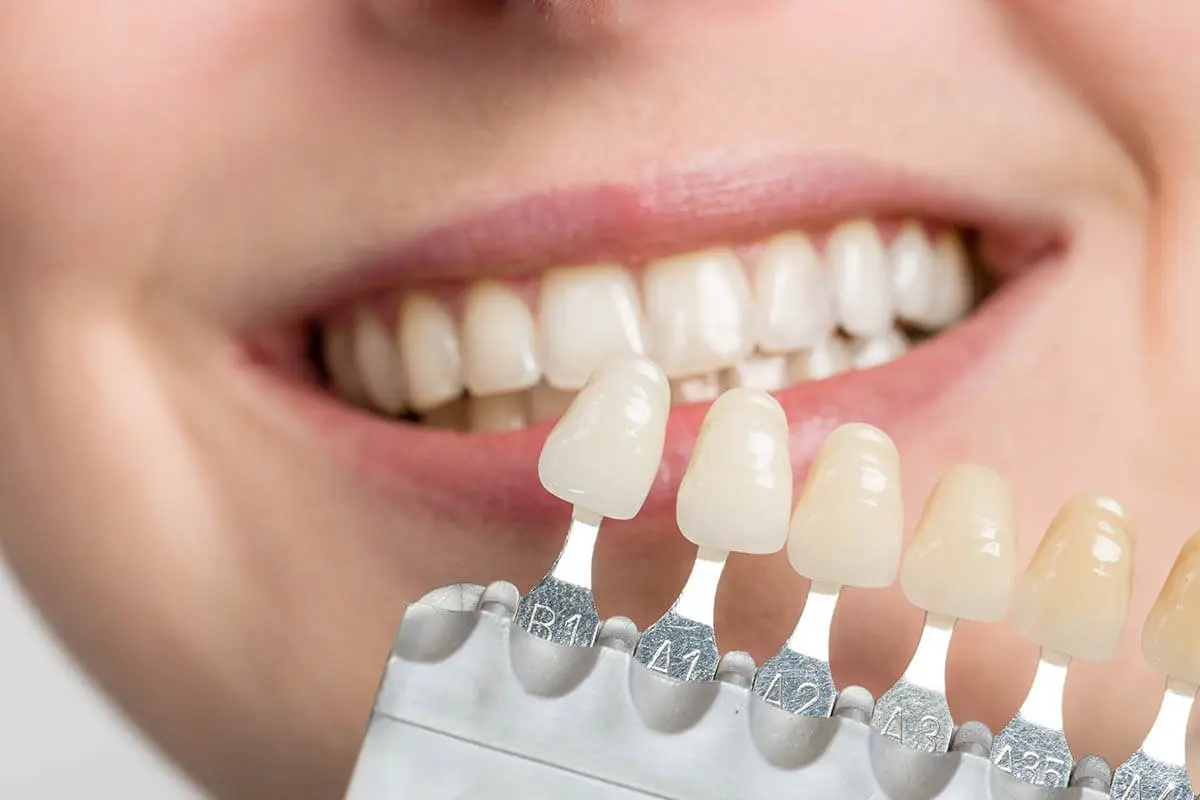
Why Do Veneers Fall Off or Crack?
Dental veneers are known as a durable and aesthetic solution, but they are not immune to damage—especially without proper care. In many cases, the cause of veneers falling off is not the material itself, but daily habits and functional stress.
Common causes of veneer damage include:
Excessive biting force (e.g., biting hard objects)
Improper bonding or placement during the procedure
Bruxism (teeth grinding)
Direct trauma or impact
Inadequate veneer care
Since veneers are thin layers bonded to the surface of teeth, their longevity highly depends on how they are used and maintained daily.
Foods to Avoid After Getting Veneers
One of the most important restrictions after getting veneers is avoiding hard foods, as they are a leading cause of cracks or detachment.
Foods to avoid include:
Ice cubes
Hard nuts
Hard candies
Very crunchy crackers
Bones or foods bitten directly
Biting hard foods with the front teeth can lead to:
Cracks in the veneers
Veneers detaching from the tooth surface
Tip: Cut food into smaller pieces and chew using your back teeth to reduce pressure on veneers.
Beverages That Can Affect Veneers
The impact of beverages on veneers depends on the material used:
Direct Veneers (Composite Veneers): More prone to staining over time
Indirect Veneers (Porcelain Veneers): More color-stable, but may still change over the long term
Beverages to limit:
Coffee
Tea
Carbonated drinks
Strongly pigmented drinks (such as syrup or wine)
Acidic drinks may also:
Weaken the bonding between veneer and tooth
Affect the enamel structure surrounding the veneer
Daily Habits to Avoid
Small habits are often the main reason veneers fail prematurely.
Avoid the following:
Nail biting
Opening packages with teeth
Biting pens or hard objects
Bruxism (teeth grinding during sleep)
Chewing on only one side
For patients with bruxism, a night guard is often recommended to protect the veneers.
How to Care for Veneers Properly
Proper veneer care is simple but must be consistent.
Daily Routine
Brush teeth twice daily using a soft-bristled toothbrush
Use non-abrasive toothpaste
Floss daily
Use mouthwash as recommended by your dentist
Regular Check-Ups
Dental visits every 6 months
Polishing if needed (especially for composite veneers)
Good maintenance significantly extends the lifespan of veneers.
How Long Do Veneers Last?
A common question is: how long do veneers last? The answer depends on the material and patient habits.
Type of Veneer | Lifespan | Characteristics | Maintenance |
Composite Veneers | ± 3–5 years | More prone to discoloration | Easier to repair |
Porcelain Veneers | ± 10–15 years or more | More color-stable | More resistant to chewing pressure |
With proper care, veneers can last even longer than the average lifespan.
Veneers: Long-Term Aesthetics, Not Just an Instant Fix
At Onyx Dental Center, veneer treatments are designed not only for aesthetics but also for long-term durability.
We consider:
Bite pattern
Daily habits
Balance between function and aesthetics
Because a well-designed veneer should not only look beautiful, but also feel stable and comfortable over time.
Conclusion
Dental veneers can deliver natural and long-lasting aesthetic results, but they require proper care.
Avoiding hard foods, limiting certain beverages, and maintaining healthy daily habits are key to preventing veneers from cracking or falling off.
With consistent care, veneers are not just a cosmetic enhancement—but a long-term investment in your smile.
References
AlJazairy Y. H. (2021). Survival Rates for Porcelain Laminate Veneers: A Systematic Review. European journal of dentistry, 15(2), 360–368. https://doi.org/10.1055/s-0040-1715914
Alothman, Y., & Bamasoud, M. S. (2018). The Success of Dental Veneers According To Preparation Design and Material Type. Open access Macedonian journal of medical sciences, 6(12), 2402–2408. https://doi.org/10.3889/oamjms.2018.353
Patel, K., Asthana, G., Parmar, A., Tamuli, R., Manglani, S., & Dhanak, N. (2025). Clinical assessment of direct composite veneer and indirect veneers using a minimally invasive preparation technique. Journal of conservative dentistry and endodontics, 28(10), 965–971. https://doi.org/10.4103/JCDE.JCDE_279_25