Tooth Extraction vs Root Canal: What’s the Difference?
In dentistry, deciding between tooth extraction or root canal treatment (RCT) is a common consideration when a tooth is severely damaged.
Root canal treatment (RCT) is a procedure designed to preserve the natural tooth by removing infected nerve tissue, cleaning the inner canals, and restoring the tooth’s function.
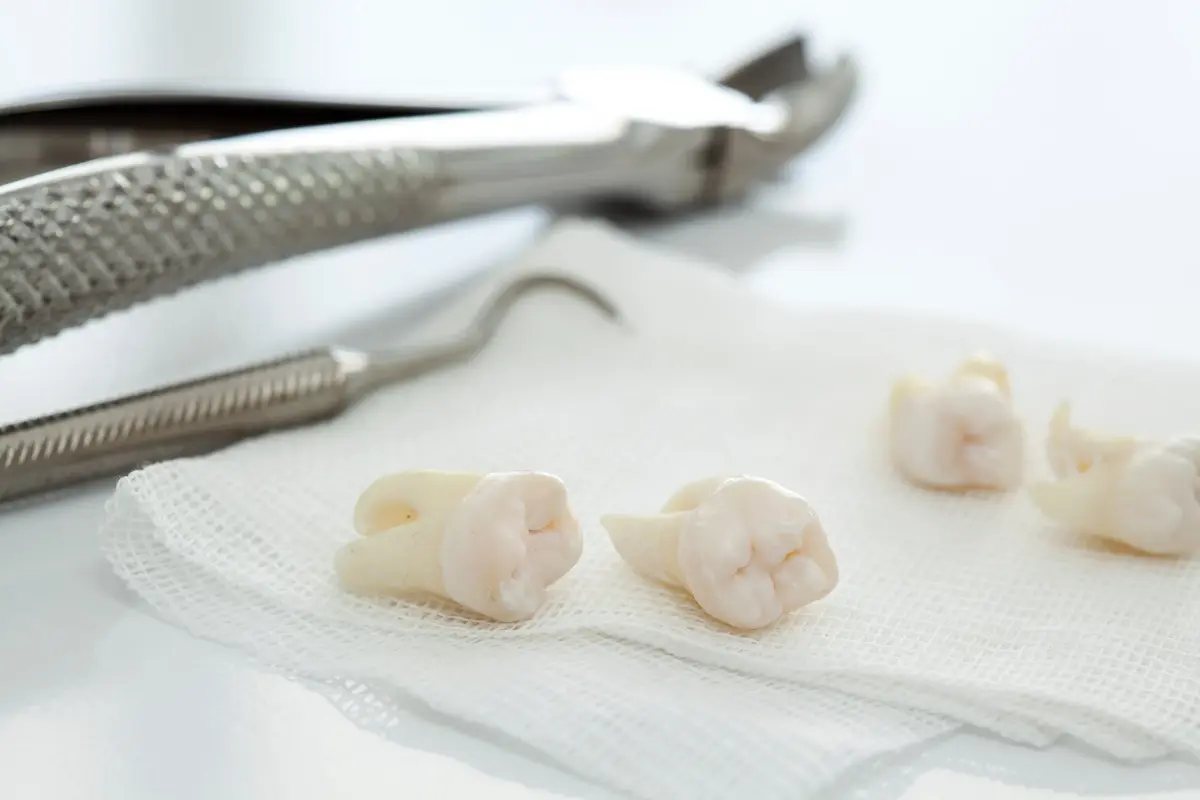
On the other hand, tooth extraction involves removing the tooth entirely from its socket when it can no longer be functionally preserved.
Key Difference:
Root canal treatment: preserves the natural tooth
Tooth extraction: removes the tooth along with the source of infection
The right choice depends on each patient’s clinical condition.
When Do Dentists Recommend Root Canal Treatment?
In many cases, dentists prioritize root canal treatment over extraction, as long as the tooth structure can still be maintained. Common indications include:
Spontaneous or throbbing tooth pain
Deep cavities reaching the dental pulp
Extreme sensitivity to hot or cold
Infection within the pulp without extensive structural damage
Understanding when a tooth can still be treated with root canal treatment instead of extraction is essential, as preserving the natural tooth remains the best option for both function and aesthetics.
Also read: Understanding Root Canal Treatment: When It’s Needed and How the Procedure Works in Detail
When Should a Tooth Be Extracted?
Although RCT is often the preferred option, there are situations where tooth extraction becomes necessary. Common indications:
The remaining tooth structure is too compromised to restore
Infection is extensive and cannot be controlled
The tooth has fractured down to the root
Recurrent infection despite previous treatment
In such cases, attempting to preserve the tooth may increase the risk of further infection to surrounding tissues.
Direct Comparison: Procedure, Duration, Pain, and Recovery
Here’s a general comparison between root canal treatment vs tooth extraction:
Procedure:
Root canal treatment: performed in stages (cleaning, filling, and restoring the tooth)
Tooth extraction: removal of the tooth from the socket
Duration:
RCT: typically requires 1–3 visits
Extraction: usually completed in a single visit
Pain:
Both procedures are performed under local anesthesia, making them relatively comfortable
Recovery & Outcome:
RCT: allows the natural tooth to be preserved
Extraction: requires a replacement plan (implant, bridge, or denture)
In general, preserving the natural tooth through root canal treatment is the preferred option whenever possible.
What Happens If a Tooth Is Extracted and Not Replaced?
Undergoing tooth extraction without replacement can lead to long-term consequences:
Shifting of adjacent teeth
Bite misalignment
Reduced chewing function
Changes in facial aesthetics over time
Bone density loss in the area of the missing tooth
For this reason, dentists usually recommend replacement options such as dental implants or removable dentures after extraction.
Consultation: Questions You Should Ask Your Dentist
Before deciding between tooth extraction or root canal treatment, it is important to consult with your dentist. Key questions to ask:
Can my tooth still be preserved?
What are the risks of choosing root canal treatment vs extraction?
What is the success rate for my condition?
What happens if I delay treatment?
What are the replacement options if extraction is necessary?
A clear and informed discussion will help you choose the most appropriate treatment and avoid unnecessary procedures.
Conclusion
The choice between tooth extraction or root canal treatment depends on the level of damage, extent of infection, and remaining tooth structure.
Root canal treatment is prioritized to preserve the natural tooth
Tooth extraction becomes the last option when the tooth can no longer be saved
The earlier the condition is evaluated, the greater the chance of preserving your natural tooth and avoiding more complex treatments.
References
Van Nieuwenhuysen, J. P., D’Hoore, W., & Leprince, J. G. (2023). What ultimately matters in root canal treatment success and tooth preservation: A 25-year cohort study. International Endodontic Journal, 00, 1–14. https://doi.org/10.1111/iej.13895
Wigsten, E., Kvist, T., Husberg, M., EndoReCo, & Davidson, T. (2023). Cost-effectiveness of root canal treatment compared with tooth extraction in a Swedish Public Dental Service: A prospective controlled cohort study. Clinical and experimental dental research, 9(4), 661–669. https://doi.org/10.1002/cre2.759