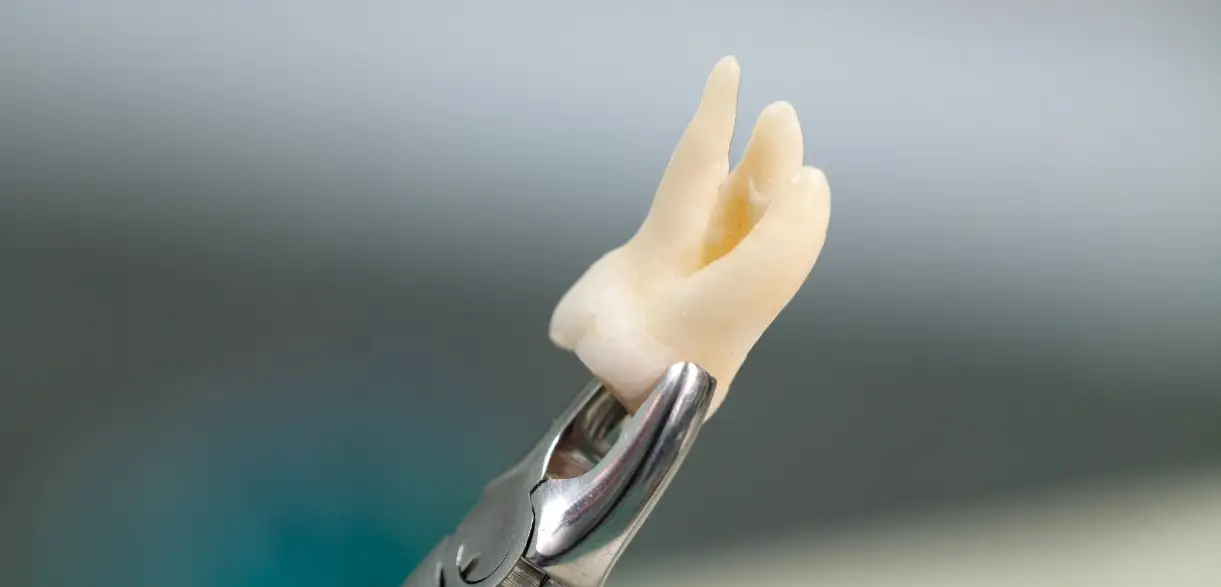
Tooth extraction is typically followed by mild discomfort, slight bleeding, and swelling—all of which are considered a normal part of the healing process. But what if the pain after tooth extraction becomes worse instead of better? Or if swelling increases or pus begins to drain from the extraction site?
These symptoms may indicate an infection after tooth extraction that requires prompt dental evaluation. In addition to infection, another common complication is dry socket, a condition that is often mistaken for infection because both can cause significant pain.
Understanding the difference can help you recognize when healing is progressing normally and when it's time to contact your dentist.
What Is Normal After a Tooth Extraction?
After a tooth is removed, your body naturally forms a blood clot inside the extraction socket. This clot protects the underlying bone and tissues while serving as the foundation for proper healing.
The following symptoms are generally considered normal.
1. Pain That Gradually Improves
Discomfort is usually most noticeable during the first 24–48 hours and should gradually decrease over the following days.
2. Mild Bleeding
A small amount of bleeding or blood-tinged saliva during the first several hours is expected.
3. Mild Swelling
Swelling of the gums or cheek typically peaks within 48–72 hours before gradually subsiding.
4. Temporary Jaw Stiffness
After more complex extractions—especially wisdom tooth removal—you may experience temporary difficulty opening your mouth for several days.
If these symptoms continue to improve each day, the healing process is generally progressing as expected.
Signs of Infection After Tooth Extraction
An infection develops when bacteria grow inside the extraction site and interfere with normal healing.
Watch for these warning signs.
1. Pain That Gets Worse Instead of Better
Normal post-extraction pain should improve over time.
Pain associated with infection often:
Becomes increasingly severe
Feels constant or throbbing
Radiates toward the ear, jaw, or neck
Does not respond well to pain medication
If your pain worsens several days after the extraction, schedule a dental evaluation promptly.
2. Swollen Gums After Tooth Extraction That Continue to Increase
Some swelling is expected.
However, infection should be suspected if:
Swelling continues to enlarge
The cheek feels firm to the touch
Facial asymmetry develops
Swallowing or opening the mouth becomes difficult
3. Fever
Fever is not considered a normal part of recovery.
Seek dental care if you experience:
A temperature above 38°C (100.4°F)
Chills
Fatigue or general malaise
Swelling accompanied by flu-like symptoms
4. Pus Draining From the Extraction Site
Pus is one of the clearest signs of infection.
Symptoms may include:
Yellow or white discharge
A persistent salty or bitter taste
Red, swollen gum tissue around the socket
5. Persistent Bad Breath
Mild bad breath may occur during healing.
However, persistent foul-smelling breath, especially when accompanied by pain or pus, may indicate an infection that requires professional treatment.
Normal Healing vs. Infection After Tooth Extraction
Normal Healing | Infection |
Pain gradually improves | Pain becomes worse |
Swelling decreases after 2–3 days | Swelling continues to increase |
No fever | Fever may develop |
No pus | Pus is present |
Mild temporary bad breath | Persistent foul odor |
Overall recovery improves daily | Symptoms progressively worsen |
Infection vs. Dry Socket: What's the Difference?
Many patients assume dry socket is an infection, but these are two different conditions.
Dry Socket | Infection |
Blood clot is lost or fails to form | Bacterial infection develops |
Severe exposed-bone pain | Pain accompanied by signs of infection |
Usually occurs 2–4 days after extraction | May occur at any stage of healing |
Empty socket is often visible | May produce pus |
Usually no fever | Fever may occur |
With dry socket, the protective blood clot is lost, leaving the underlying bone exposed and causing intense pain.For a more detailed explanation, read our article:Dry Socket After Tooth Extraction
What Causes Infection After Tooth Extraction?
Although uncommon, several factors can increase the risk.
1. Poor Oral Hygiene
Plaque and bacteria around the extraction site may interfere with healing.
2. Smoking
Smoking reduces blood supply to the surgical area and increases the risk of post-extraction complications.
3. A Weakened Immune System
Patients with uncontrolled diabetes or certain medical conditions are more susceptible to infection.
4. Not Following Post-Extraction Instructions
Examples include:
Vigorous rinsing
Drinking through a straw
Touching the wound with fingers
Eating hard foods too soon
These habits can disrupt normal healing.
What Should You Do If You Suspect an Infection?
1. Avoid Self-Treatment
Do not place any medication or home remedies directly into the extraction socket.
2. Keep Your Mouth Clean
Brush gently and rinse only as instructed by your dentist.
3. Contact Your Dentist
Your dentist may recommend:
A clinical examination
Cleaning the extraction site
Socket irrigation
Dental X-rays when necessary
Appropriate treatment based on the diagnosis
Prompt evaluation helps prevent further complications.
How to Promote Faster Healing After Tooth Extraction
During the First 24 Hours
Bite on the gauze as instructed
Avoid vigorous rinsing
Do not use a straw
Avoid smoking
During the First Few Days
Eat soft foods
Stay well hydrated
Avoid hot foods and beverages
Maintain good oral hygiene
Attend Your Follow-Up Appointment
Follow-up visits allow your dentist to monitor healing and detect complications early.
At ONYX Dental Center, every patient receives detailed post-extraction care instructions to help minimize the risk of infection and dry socket while supporting optimal healing.
When Should You Contact Your Dentist Immediately?
Seek prompt dental care if you experience:
Pain that worsens after the third day
Increasing swelling
Fever
Pus around the extraction site
Persistent foul breath
Difficulty swallowing or opening your mouth
Bleeding that does not stop
Early evaluation can help prevent the infection from spreading to surrounding tissues.
Conclusion
Recognizing the signs of infection after tooth extraction allows complications to be identified and treated before they become more serious. While mild pain, slight bleeding, and temporary swelling are normal during the early stages of healing, worsening pain, increasing swelling, fever, pus, or persistent bad breath should never be ignored.
Because conditions such as infection and dry socket require different treatments, a professional evaluation is essential whenever healing does not progress as expected. With proper aftercare and timely follow-up, most patients recover smoothly and without complications.
References
De Silva, H. (2026). Post-extraction complications. In S. R. Prabhu, N. Stormon, S. C. Yeoh, R. Naidu, A. Moule, & D. H. Felix (Eds.), Oral health and disease: What you should know. Springer, Cham. https://doi.org/10.1007/978-3-031-90344-1_56
Dignam, P., Elshafey, M., Jeganathan, A., Foo, M., Park, J. S., & Ratnaweera, M. (2025). Prevalence and Risk Factors of Post-Extraction Complications in a Western Australian Tertiary Dental Hospital: A Retrospective Cross-Sectional Study. Australian dental journal, 70(4), 266–274. https://doi.org/10.1111/adj.13082
Mamoun J. (2018). Dry Socket Etiology, Diagnosis, and Clinical Treatment Techniques. Journal of the Korean Association of Oral and Maxillofacial Surgeons, 44(2), 52–58. https://doi.org/10.5125/jkaoms.2018.44.2.52