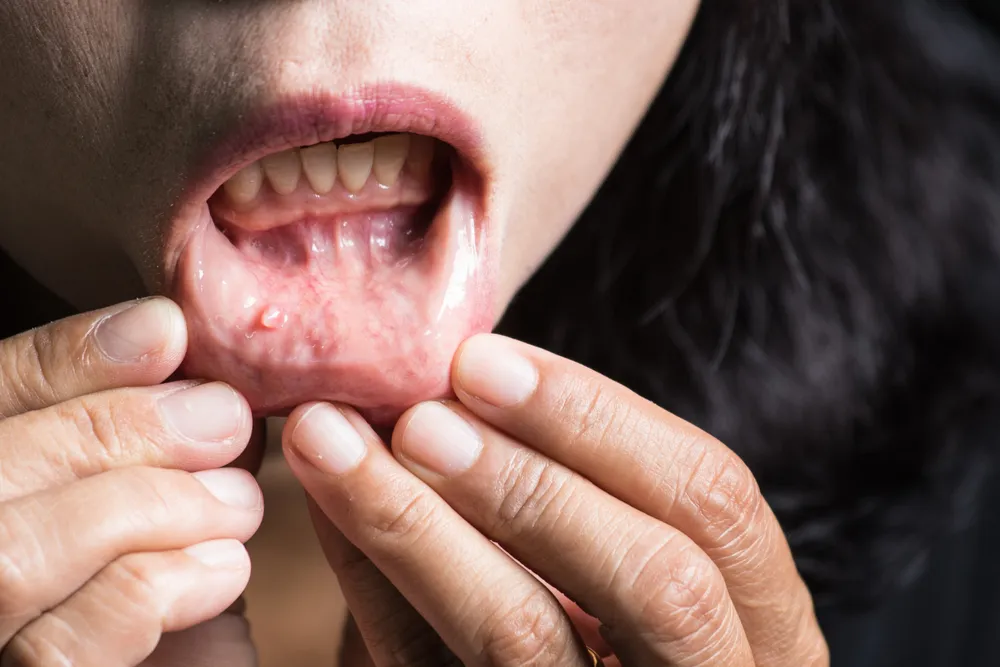
What Is Oral Cancer?
Oral cancer is the abnormal growth of cells within the oral cavity, which may occur on the tongue, lips, inner cheeks, floor of the mouth, palate, or gums. Most oral cancer cases are classified as oral squamous cell carcinoma, a type of cancer that develops from the surface lining of the oral mucosa.
In its early stages, oral cancer often causes little to no pain, which is why many people ignore the symptoms. However, early detection is extremely important because treatment outcomes are significantly better when the condition is identified early.
Dentists are often the first healthcare professionals to detect early signs of oral cancer during routine dental examinations. This is why regular dental check-ups are important not only for detecting cavities, but also for monitoring the health of the soft tissues inside the mouth.
Symptoms and Early Signs Often Overlooked
Symptoms of oral cancer can vary from person to person, but the following signs should be monitored carefully, especially if they last longer than two weeks:
Mouth ulcers that do not heal
Lumps or thickened tissue inside the mouth
Sores that bleed easily
White, red, or mixed red-and-white patches in the mouth
Pain when swallowing or chewing
Stiffness or difficulty moving the tongue
Numbness in the mouth or lips
Loose teeth without a clear cause
Jaw pain or difficulty opening the mouth
In early-stage oral cancer, symptoms may appear very mild and are often mistaken for ordinary irritation.
Common Mouth Ulcer vs Oral Cancer: How to Tell the Difference
Many people struggle to distinguish a regular mouth ulcer from oral cancer. Here are some general differences:
Common Mouth Ulcer | Oral Cancer |
Usually heals within 7–14 days | Does not heal after more than 2 weeks |
Typically painful from the beginning | Early stages may be painless |
Usually small and well-defined | May appear irregular or thickened |
Often triggered by biting, stress, or lack of sleep | Can appear without a clear cause |
Does not continue growing | May become larger or deeper |
Rarely causes hard lumps | May be accompanied by tissue hardening or lumps |
Rarely causes loose teeth | May cause loose teeth in some cases |
Usually improves on its own | Requires professional dental evaluation and sometimes biopsy |
Not every sore inside the mouth is cancer. However, any lesion that persists for more than two weeks should be examined by a dentist or oral medicine specialist.
Warning Signs on the Tongue, Cheeks, Gums, and Lips
Oral cancer may develop in various areas of the mouth:
Tongue: Persistent sores on the sides of the tongue
Inner cheeks: White or red patches that do not disappear
Gums: Swelling or abnormal lumps
Lips: Chronic sores, especially on the lower lip due to excessive sun exposure
In some cases, patients only realize something is wrong once severe pain or difficulty eating develops.
Risk Factors for Oral Cancer
Smoking and Alcohol Consumption
Smoking is one of the biggest risk factors for oral cancer. Tobacco contains carcinogenic substances that can damage oral tissues over time. Excessive alcohol consumption also increases the risk, especially when combined with smoking.
HPV Infection
Some cases of oral and oropharyngeal cancer are associated with Human Papillomavirus (HPV), particularly HPV-16. This virus can affect the tissues of the mouth and throat.
Excessive Sun Exposure
Long-term ultraviolet (UV) exposure can increase the risk of lip cancer, especially on the lower lip.
Other Risk Factors
Additional conditions that may increase the risk of oral cancer include:
Poor oral hygiene
Chronic irritation
Poor nutrition, especially low fruit and vegetable intake
Weak immune system
Previous history of cancer
However, oral cancer can also occur in people without obvious risk factors.
How Is Oral Cancer Diagnosed?
Oral cancer cannot be diagnosed solely through photos or self-examination at home.
A dentist will usually perform:
Visual examination of the oral cavity
Palpation of oral and neck soft tissues
Evaluation of suspicious sores or patches
Additional examinations if necessary
If a suspicious lesion is found, a biopsy may be required to confirm the diagnosis.
Early detection of oral cancer can often happen during routine dental visits. Regular examinations help identify tissue changes before they progress further.
Preventive Steps You Can Take Now
The following measures may help reduce the risk of oral cancer:
Quit smoking
Limit alcohol consumption
Maintain good oral hygiene
Eat a balanced and nutritious diet
Use SPF lip protection against sun exposure
Schedule dental check-ups every 6 months
In addition to maintaining oral health, routine dental examinations also help monitor soft tissue changes inside the mouth.
When Should You Visit a Dentist?
Seek dental evaluation immediately if you experience:
Mouth ulcers lasting more than 2 weeks
Oral sores that do not improve
Persistent red or white patches
Lumps in the mouth or neck
Prolonged pain when swallowing
Voice changes or difficulty opening the mouth
Do not forget to maintain routine dental check-ups at least every 6 months to help detect oral problems early.
Conclusion
Oral cancer often begins with mild symptoms that resemble common oral conditions, which is why many cases are diagnosed late. Persistent sores, abnormal patches, or tissue changes inside the mouth should never be ignored, especially if they last longer than two weeks.
Early detection is essential because treatment outcomes are significantly better in the early stages. Routine dental examinations help maintain oral health while also monitoring the condition of the oral soft tissues comprehensively.
Referensi
Abati, S., Bramati, C., Bondi, S., Lissoni, A., & Trimarchi, M. (2020). Oral Cancer and Precancer: A Narrative Review on the Relevance of Early Diagnosis. International journal of environmental research and public health, 17(24), 9160. https://doi.org/10.3390/ijerph17249160
Felicia Paramita & Endah Ayu Tri Wulandari. (2024). The accuracy of oral cancer clinical diagnosis in Cipto Mangunkusumo Hospital: An Indonesian national referral hospital study. Journal of Indonesian Oral Medicine Society, 2(3). https://doi.org/10.32793/jioms.v2i3.1375
Julia Kijowska, Julia Grzegorczyk, Katarzyna Gliwa, Aleksandra Jędras, & Monika Sitarz. (2024). Epidemiology, diagnostics, and therapy of oral cancer—Update review. Cancers, 16(18), 3156. https://doi.org/10.3390/cancers16183156