Why Orthodontic Treatment Is Still Safe During Fasting
Some people hesitate to undergo dental treatment during Ramadan because they worry it might invalidate their fast. However, medically speaking, most dental treatments—including orthodontic care—remain safe as long as no liquids or medications are intentionally swallowed.
Orthodontic treatments such as Invisalign or Damon aesthetic braces typically involve routine checks of tooth movement, minor adjustments to the appliance, or evaluations of aligner usage. These procedures do not affect fasting because they do not involve substances entering the digestive system.
Modern orthodontic technology also makes treatment more practical and comfortable. For this reason, many patients choose to begin Invisalign treatment during Ramadan in Jakarta and Bekasi, as the appointments are flexible and the process generally causes minimal discomfort.
Invisalign vs Damon Braces for an Active Lifestyle
Today, there are several premium orthodontic options that are popular among patients with active lifestyles, particularly Invisalign and Damon braces.
Invisalign (Clear Aligners)
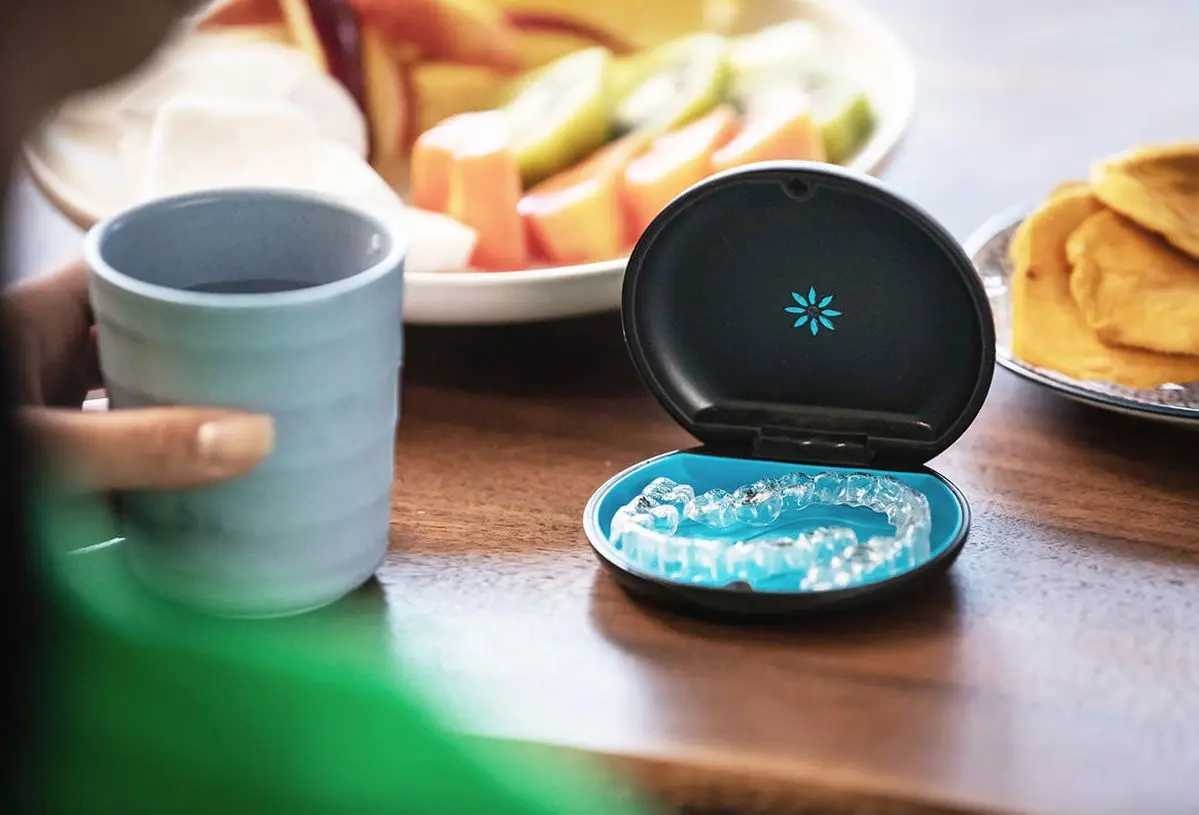
Invisalign is an orthodontic system that uses clear aligners custom-designed to gradually move teeth into their ideal positions.
Some advantages of Invisalign include:
Nearly invisible when worn
More comfortable because there are no wires or brackets
Removable during meals and while brushing teeth
Suitable for professional and social activities
For patients who are fasting, Invisalign can be particularly convenient because the aligners can be temporarily removed during suhoor and iftar, making eating and cleaning teeth more comfortable.
Damon Braces (Self-Ligating Braces)
Damon braces are a type of aesthetic braces that use a self-ligating system, meaning the brackets do not require elastic ties like conventional braces.
Advantages of Damon braces include:
Reduced friction, allowing teeth to move more efficiently
Dental check-ups may be less frequent compared to conventional braces
A modern design that feels more comfortable to wear
For patients who prefer a fixed orthodontic appliance, Damon braces can be a practical option during Ramadan.
Tips for Keeping Teeth Clean During Ramadan
Maintaining oral hygiene is essential for both aligner and braces users while fasting.
Here are some simple tips to follow:
Brush your teeth after suhoor and after iftar
Cleaning your teeth at these times helps reduce plaque buildup throughout the fasting period.
Clean aligners before wearing them again
If you are using Invisalign, rinse the aligners under running water and clean them with a special brush before putting them back on.
Use dental floss or an interdental brush
These tools help remove food debris that often gets trapped between teeth or around brackets.
Avoid foods that are too hard or sticky
Foods such as caramel candies, hard nuts, or sticky snacks may damage brackets on aesthetic braces.
With proper care habits, oral hygiene can remain well maintained even during fasting.
Visible Transformation Before Eid
Many patients start orthodontic treatment several months before Ramadan so that visible improvements begin to appear closer to Eid al-Fitr.With consistent treatment, teeth can gradually appear more aligned, helping patients feel more confident when gathering with family during the holiday.
Premium orthodontic treatments such as Invisalign or Damon braces also offer aesthetic advantages, especially for individuals who have active professional lives or frequently meet many people.
Conclusion
Orthodontic treatment can safely continue during Ramadan. Modern technologies such as Invisalign and Damon aesthetic braces offer greater comfort thanks to their advanced design and ease of maintenance.
By maintaining good oral hygiene after suhoor and iftar and following regular dental check-up schedules, patients can continue Invisalign treatment during Ramadan in Jakarta and Bekasi without disrupting their fasting.
The result is a healthier, more aligned smile—perfect for welcoming Eid with greater confidence.
References
Anvery, S., & Philip, P. (2022). Invisalign treatment achieved and predicted results. American Journal of Orthodontics and Dentofacial Orthopedics, 161(6), 760.
Baxi, S., Tripathi, A. A., Bhatia, V., Prasad Dubey, M., Kumar, P., & Bagde, H. (2023). Self-Ligating Bracket Systems: A Comprehensive Review. Cureus, 15(9), e44834. https://doi.org/10.7759/cureus.44834
Sharma, R., Rajput, A., Gupta, K. K., & Sharma, H. (2018). Clear aligner: Invisalign: A review. Indian Journal of Orthodontics and Dentofacial Research, 4(4), 173–175. https://doi.org/10.18231/2455-6785.2018.0034