Many parents only start looking for a pediatric dentist when their child complains of a toothache or develops a visible cavity. However, in pediatric dentistry, a child's first dental visit should ideally happen long before any problems arise.
This is where the role of a pediatric dentist becomes especially important. Beyond treating baby teeth and monitoring the development of permanent teeth, experienced pediatric dental professionals help create positive dental experiences from an early age.
The more comfortable a child's first visit is, the more likely they are to develop healthy oral care habits that last well into adulthood.
Why Is Children's Oral Health Important from an Early Age?
Many parents assume that baby teeth are not particularly important because they will eventually fall out and be replaced by permanent teeth.
In reality, baby teeth play a crucial role in:
Helping children chew properly
Supporting speech development
Preserving space for permanent teeth
Guiding healthy jaw development
Contributing to a child's confidence when smiling and speaking
When baby teeth are damaged or lost too early, the eruption and alignment of permanent teeth can be affected, increasing the risk of future orthodontic problems.
What Is a Pediatric Dentist?
A pediatric dentist focuses on the prevention, diagnosis, and treatment of oral health conditions in children, from infancy through adolescence.
Treating children requires a different approach than treating adults because:
Baby teeth have thinner enamel and are more susceptible to cavities
Children may struggle to communicate discomfort clearly
Communication techniques must be adapted to the child's age and development
Treatment planning must consider ongoing jaw and dental growth
For this reason, a child's dental experience is influenced not only by the treatment itself but also by the clinic environment and the way the dental team interacts with young patients.
When Should a Child First Visit the Dentist?
Many parents wait until their child experiences pain before scheduling a dental appointment. However, international dental organizations recommend that a child's first dental visit should occur when the first tooth erupts, or no later than their first birthday.
The goals of an early visit include:
Monitoring baby tooth development
Identifying cavity risks early
Providing guidance for parents
Familiarizing children with the dental environment
Signs Your Child Should See a Pediatric Dentist
In addition to routine check-ups, parents should schedule an appointment if they notice:
Dark spots or cavities on the teeth
Pain or discomfort while eating
Swollen or bleeding gums
Premature loss of baby teeth
Crowded erupting permanent teeth
Dental trauma or injury
Persistent bad breath
Early intervention often allows dental issues to be addressed before they become more complex.
Common Conditions Treated by Pediatric Dentists
1. Cavities in Baby Teeth
Dental caries is one of the most common oral health conditions among children.
Contributing factors include:
Frequent consumption of sugary foods and drinks
Drinking milk before bed without cleaning the teeth afterward
Inadequate oral hygiene
Lack of routine dental check-ups
Even though baby teeth will eventually be replaced, cavities still require treatment because infections can affect surrounding tissues and developing permanent teeth.
2. Discolored or Chipped Teeth
Darkened teeth are not always caused by cavities.
Possible causes include:
Dental decay
Bacterial staining
Trauma or injury
Damage to the tooth nerve
Similarly, chipped or fractured teeth resulting from falls or accidents should be evaluated to rule out damage to the tooth root or supporting structures.
3. Growth and Development Concerns
Pediatric dentists also monitor the transition from baby teeth to permanent teeth.
Early evaluations can help identify:
Crowded teeth
Delayed tooth eruption
Premature loss of baby teeth
Oral habits that may affect jaw development
The earlier these concerns are detected, the more treatment options are typically available.
How to Choose the Right Pediatric Dentist
Choosing a pediatric dental clinic involves more than simply finding the closest location.
Communication Skills
A great pediatric dentist does more than provide treatment—they build trust.
Look for a dentist who:
Uses child-friendly language
Explains procedures patiently
Allows children time to adapt
Avoids forcing treatment when a child feels anxious
Positive communication can shape a child's perception of dental care for years to come.
Child-Friendly Environment
The clinic atmosphere plays a significant role in a child's comfort level.
Helpful features may include:
Dedicated kids' treatment rooms
Play areas or kids' corners
Child-friendly décor
A welcoming, non-intimidating environment
Staff experienced in caring for children
For many children, a comfortable setting can significantly reduce dental anxiety.
Parent Education
Excellent pediatric dental care extends beyond the appointment itself.
A pediatric dentist should also provide guidance on:
Age-appropriate brushing techniques
Nutrition for healthy teeth
Fluoride toothpaste recommendations
Habits to avoid
Recommended recall schedules
This education helps parents support their child's oral health between visits.
Kids' Dental Care at Onyx Dental Center
One of the biggest challenges in pediatric dentistry is creating an experience that feels comfortable rather than intimidating.
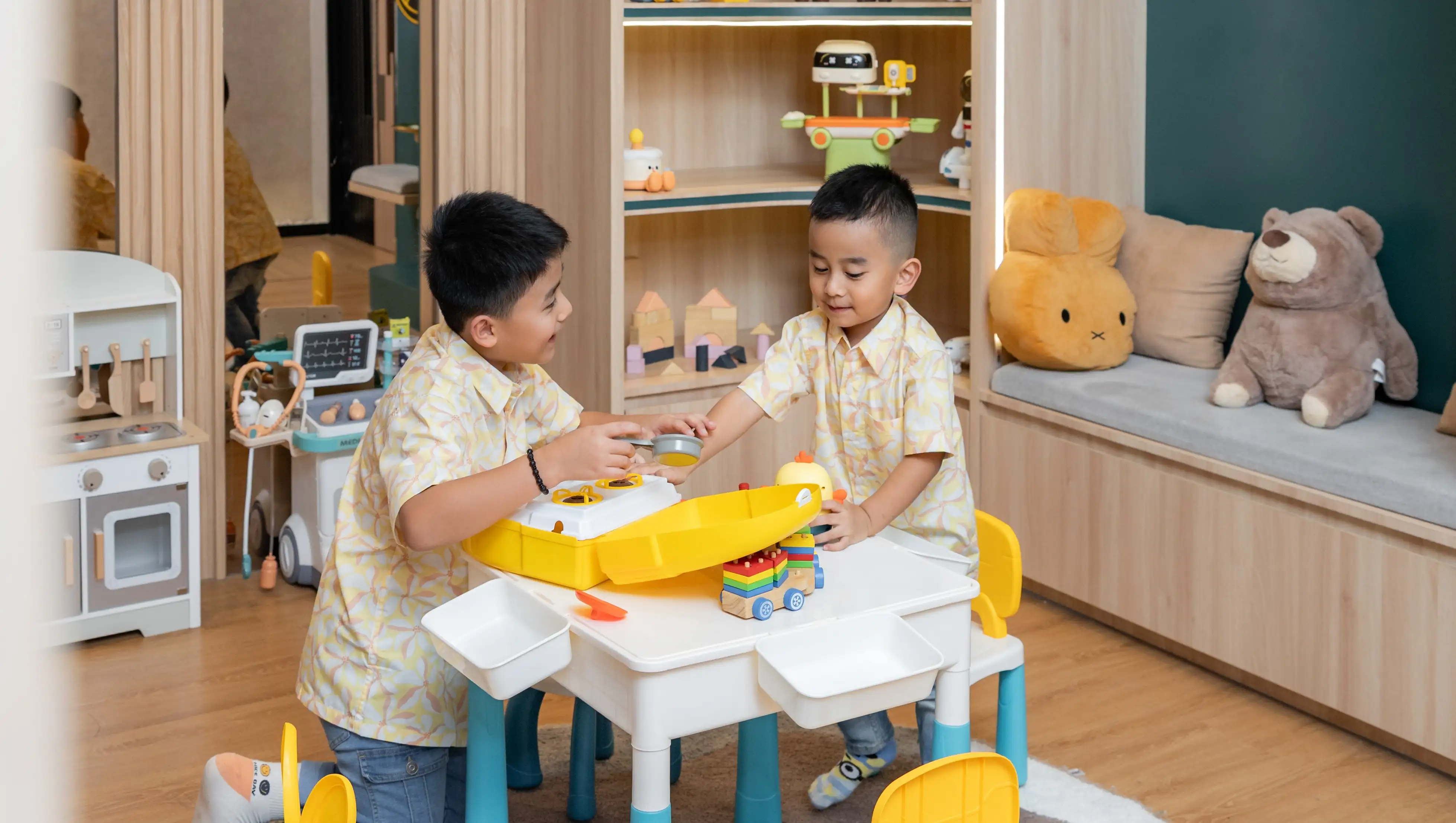
At Onyx Dental Center, children's dental care is designed to help young patients feel relaxed through:
Child-friendly Kids Treatment Rooms
A dedicated Kids Corner
Age-appropriate communication techniques
Parent education on children's oral health
Preventive examinations to monitor dental and jaw development
For families in Karawaci, Lippo Karawaci, Kelapa Dua, Gading Serpong, Tangerang, and West Jakarta, Onyx Dental Center offers a welcoming environment that helps transform a child's first dental visit into a positive experience.
Tips to Help Children Feel Comfortable at the Dentist
Before the first appointment, parents can help by:
Avoiding the use of dentists as a threat or punishment
Sharing positive stories about dental visits
Reading books or watching educational content about dentistry
Scheduling appointments when the child is well-rested and not hungry
Praising the child after the visit
Most importantly, don't wait until your child is in pain before scheduling their first appointment.
How Often Should Children Visit the Dentist?
After the first visit, most children are encouraged to have routine dental check-ups every six months.
However, more frequent visits may be recommended if a child:
Has a high risk of developing cavities
Is undergoing orthodontic treatment
Has special healthcare needs
Requires closer monitoring of dental development
Conclusion
Pediatric dentists play an essential role in maintaining oral health from an early age. Ideally, a child's first dental visit should take place when the first tooth appears or no later than age one, rather than waiting until dental problems arise.
In addition to treating conditions such as cavities, dental injuries, and developmental concerns, pediatric dentists help build positive dental experiences that can influence lifelong oral health habits.
For families seeking child-friendly dental care in Karawaci, Lippo Karawaci, Kelapa Dua, Gading Serpong, Tangerang, or Jakarta, choosing a clinic with dedicated pediatric facilities and a comfort-focused approach can make all the difference in creating a positive start to a child's oral health journey.
References
Padung, N., Singh, S., & Awasthi, N. (2022). First Dental Visit: Age Reasons Oral Health Status and Dental Treatment Needs among Children Aged 1 Month to 14 Years. International journal of clinical pediatric dentistry, 15(4), 394–397. https://doi.org/10.5005/jp-journals-10005-2406
Ramos-Gomez, F., Kumar, G., Mathur, V. P., Goswami, M., Upadhyay, S., Goyal, V., Ravivarapu, A., Rehman, F., Nuvvula, S., & Asokan, S. (2024). Visit to the dentist for oral health prevention at “Age One”: A proposed policy report from the Indian perspective. Journal of Indian Society of Pedodontics and Preventive Dentistry, 42(1), 3–8. https://doi.org/10.4103/jisppd.jisppd_538_23