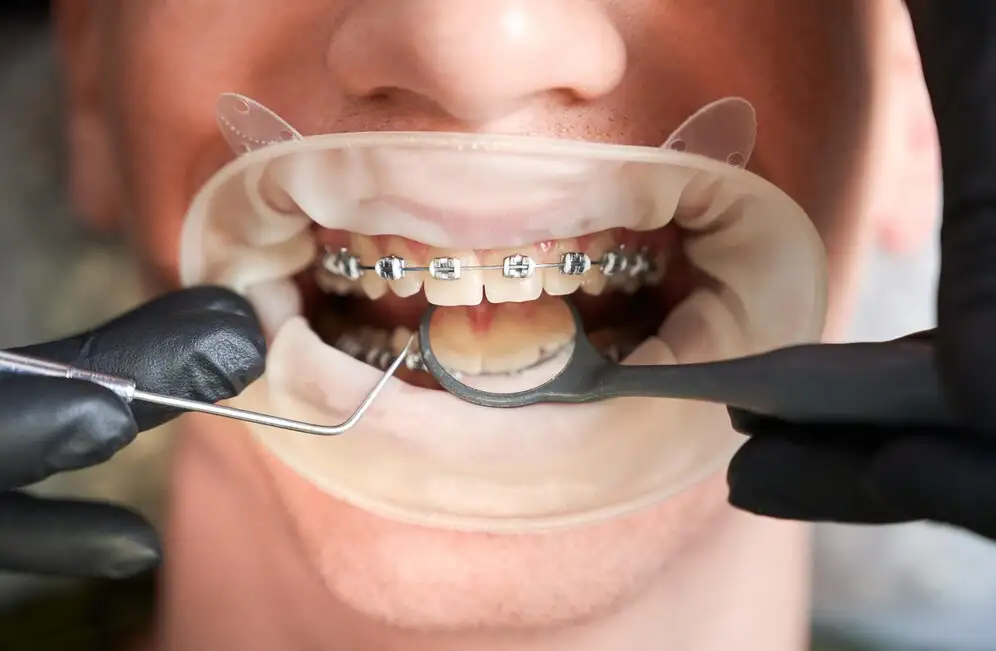
Independence is not only about being free from oppression. For each of us, independence can also mean being free to express ourselves—including smiling and speaking with greater confidence.
As we celebrate the 81st Anniversary of the Independence of the Republic of Indonesia, let’s look at orthodontic treatment from a broader perspective. It is not simply about getting braces to straighten teeth. Orthodontic treatment can be a long-term journey that begins during childhood growth and development and continues into adulthood.
Orthodontics is a dental specialty focused on the diagnosis, prevention, and correction of irregularities in tooth position and the relationship between the teeth and jaws, also known as malocclusion. The goal is not only to create a straighter smile, but also to help optimize chewing function, speech, and the long-term health of the supporting tissues around the teeth.
At Onyx Dental Center, comprehensive orthodontic treatment is planned according to each patient’s individual condition and needs—from growing children to adults looking for an aesthetic and flexible solution for misaligned teeth.
Phase 1: Preventive Orthodontics
The term preventive orthodontics needs to be properly understood. In orthodontics, prevention does not mean that every child should immediately receive an orthodontic appliance. Instead, the primary focus is to identify risk factors that may interfere with the development of the teeth and bite (occlusion) as early as possible, then determine whether the condition should simply be monitored regularly or requires medical intervention.
The American Academy of Pediatric Dentistry (AAPD) emphasizes that monitoring the development of the teeth and occlusion requires careful diagnosis, regular clinical examinations, and appropriate timing of intervention based on the child’s stage of growth and development.
Early Orthodontic Examination for Children
The American Association of Orthodontists (AAO) recommends that children have their first orthodontic evaluation no later than age 7. This does not mean that a 7-year-old must immediately get braces.
At around age 7, children are generally in the mixed dentition stage, when both primary and permanent teeth are present in the mouth. This allows an orthodontist to evaluate jaw growth patterns, the direction of tooth eruption, and the relationship between the upper and lower teeth more accurately.
If no treatment is needed yet, the child can simply be monitored regularly until the ideal time for intervention arrives.
However, an orthodontic examination may be recommended earlier if parents notice specific signs, such as:
Severely crowded or overlapping teeth.
Crossbite, where the upper teeth bite behind the lower teeth.
Upper front teeth that protrude significantly.
Open bite, where the upper and lower front teeth do not meet when the mouth is closed.
Jaw asymmetry or an unbalanced facial appearance.
Permanent teeth that do not erupt as expected or primary teeth that are lost prematurely.
Early Detection of Malocclusion
Malocclusion refers to a condition in which the relationship between the upper and lower teeth and the jaw structures is not in an ideal anatomical position.
Not every malocclusion requires immediate treatment. Some conditions can simply be observed, while others may benefit from intervention while the child’s jaw is still actively growing.
Space Maintainer: Preserving Space for Permanent Teeth
When a primary tooth is lost prematurely—whether due to tooth decay or trauma—the surrounding teeth may shift and reduce the space available for the permanent tooth to erupt properly.
In such cases, a dentist or orthodontist may recommend a space maintainer, a specialized appliance designed to preserve the available space until the permanent tooth is ready to erupt.
The use of a space maintainer requires careful clinical evaluation and monitoring, as an improperly monitored appliance may contribute to plaque accumulation or interfere with tooth eruption.
Phase 2: Interceptive Orthodontics
Unlike preventive orthodontics, interceptive orthodontics focuses on addressing orthodontic problems that have already begun to develop while the child’s jaw is still growing.
The goal is to reduce the severity of the problem, guide jaw growth in the appropriate direction, address unfavorable oral habits, and potentially simplify comprehensive orthodontic treatment during the teenage years.
Myofunctional Therapy: Training Orofacial Muscle Function
Myofunctional therapy focuses on training and correcting the function of the muscles around the mouth and face, including resting tongue position, lip closure, and swallowing patterns.
Habits such as placing the tongue between the teeth while swallowing (tongue thrust) or breathing through the mouth (mouth breathing) may influence jaw development.
However, it is important to understand that myofunctional therapy is not a substitute for braces in every case of malocclusion. It is used as a supportive therapy based on a specific clinical diagnosis. In children, this therapy may also be supported by functional orthodontic appliances such as Myobrace.
Myobrace is a type of prefabricated removable functional appliance used in selected cases to help address unfavorable oral habits while supporting jaw development in children. Its effectiveness depends on accurate diagnosis, the child’s stage of growth and development, and consistent compliance with its use.
Addressing Unfavorable Oral Habits
Habits such as thumb sucking or prolonged pacifier use in children may affect the development of the jaw structure.
The AAPD notes that prolonged non-nutritive sucking habits may contribute to conditions such as anterior open bite and posterior crossbite. Addressing these habits early can help prevent more severe malocclusion from developing later on.
Phase 3: Comprehensive Orthodontic Treatment
When tooth position or bite problems require comprehensive active correction, the dentist or orthodontist will develop a personalized treatment plan.
The choice of orthodontic appliance should not be based solely on trends. Instead, it should consider the complexity of the condition, the health of the supporting periodontal tissues, and the patient’s ability to comply with treatment requirements.
Clear Aligner Invisalign: A Transparent & Flexible Solution
Clear aligners are removable orthodontic appliances consisting of a series of customized transparent trays designed to gradually move the teeth.
One of their main advantages is their discreet appearance. They can also be removed when eating and brushing, making daily oral hygiene easier to maintain.
However, aligners require a high level of patient compliance and should generally be worn for 20–22 hours per day. For cases involving complex tooth movements or severe skeletal problems, fixed braces or a combination of orthodontic techniques may be more appropriate.
For young professionals who are active in Jakarta, BSD, Gading Serpong, and Tangerang, the aesthetic and practical benefits of clear aligners can be an added advantage that fits easily into their daily routines.
Ceramic Braces
Ceramic braces use brackets made from clear or tooth-colored ceramic materials. This option combines the biomechanical advantages of fixed braces with a more discreet appearance compared with conventional metal braces.
Conventional Metal Braces
Conventional metal braces remain a gold standard in orthodontic treatment. Using a combination of brackets and orthodontic wires (archwires), they provide precise control over tooth movement and can be used to treat a wide range of malocclusions, from mild to complex cases.
Orthodontic Treatment at Onyx Dental Center
At Onyx Dental Center, quality orthodontic treatment always begins with a consultation, comprehensive examination, and accurate diagnosis.
Personalized Orthodontic Treatment Process
Comprehensive Consultation & Diagnosis: Evaluation of the teeth and oral tissues, facial profile, bite function, and supporting examinations such as panoramic and cephalometric X-rays or 3D digital scanning using an intraoral scanner.
Treatment Planning: Determining treatment goals, the most effective orthodontic appliance, projected treatment duration, and anticipated tooth movement.
Active Treatment Phase: Placement of the selected orthodontic appliance, whether braces or aligners, followed by controlled tooth movement.
Regular Monitoring: Routine appointments to evaluate tooth movement, make adjustments to wires or aligner trays, and maintain gum health.
Retention Phase: Placement of a retainer after the orthodontic appliance is removed. This stage is crucial for maintaining the newly corrected tooth position and preventing the teeth from shifting back to their original position (relapse).
Orthodontic Treatment for All Ages
It is never too late to achieve a healthy and well-aligned smile. Orthodontic treatment can be tailored to the biological needs of each stage of life:
Children: Focuses on monitoring jaw growth and development, guiding the eruption of permanent teeth, and addressing unfavorable oral habits.
Teenagers: Focuses on aligning the teeth and improving the bite relationship once the permanent teeth have erupted.
Adults: Focuses on repositioning the teeth while paying particular attention to periodontal health, existing dental restorations, and professional aesthetic needs.
When Should You Consider an Orthodontic Consultation?
Schedule an orthodontic examination if you or a family member experiences any of the following:
Teeth that appear severely crowded, overlapping, or widely spaced.
Protruding front teeth that make it difficult to close the lips comfortably.
Bite problems.
Discomfort or clicking sounds in the jaw joint while chewing.
Permanent teeth erupting outside their normal path or primary teeth being lost prematurely.
Teeth shifting back after previous orthodontic treatment (relapse).
Onyx Dental Center in Karawaci, Tangerang is strategically located and easily accessible from Karawaci, Tangerang City, Gading Serpong, Alam Sutera, BSD, and West Jakarta.
Conclusion
Successful orthodontic treatment is a harmonious combination of aesthetic improvement, optimal chewing function, and long-term health of the supporting tissues around the teeth.
Whether through a preventive approach during childhood or transparent aligners for adults, the key to successful treatment lies in an accurate medical diagnosis and a carefully planned treatment approach.
As we celebrate the spirit of Indonesia’s 81st Independence Day, let’s embrace our own version of “independence”: freedom from feeling self-conscious when smiling, greater confidence when speaking in public, and a healthy bite that supports long-term oral function.
Read More:
References
Al Jally, F. M. M., Almansour, T. F., Alassiry, A. M., & Aljari, A. A. A. (2026). Systematic Review of Orthodontic Treatment Modalities: Efficacy, Costs and Patient Satisfaction. Advances in Human Biology, 16(2), 277–282. https://doi.org/10.4103/aihb.aihb_241_25
Koletsi, D., Makou, M., & Pandis, N. (2018). Effect of orthodontic management and orofacial muscle training protocols on the correction of myofunctional and myoskeletal problems in developing dentition. A systematic review and meta-analysis. Orthodontics & Craniofacial Research, 21(4), 202–215. https://doi.org/10.1111/ocr.12240
Seehra, J. (2017). Orthodontic management of the developing dentition. In M. T. Cobourne (Ed.), Orthodontic Management of the Developing Dentition (pp. 85–107). Springer.