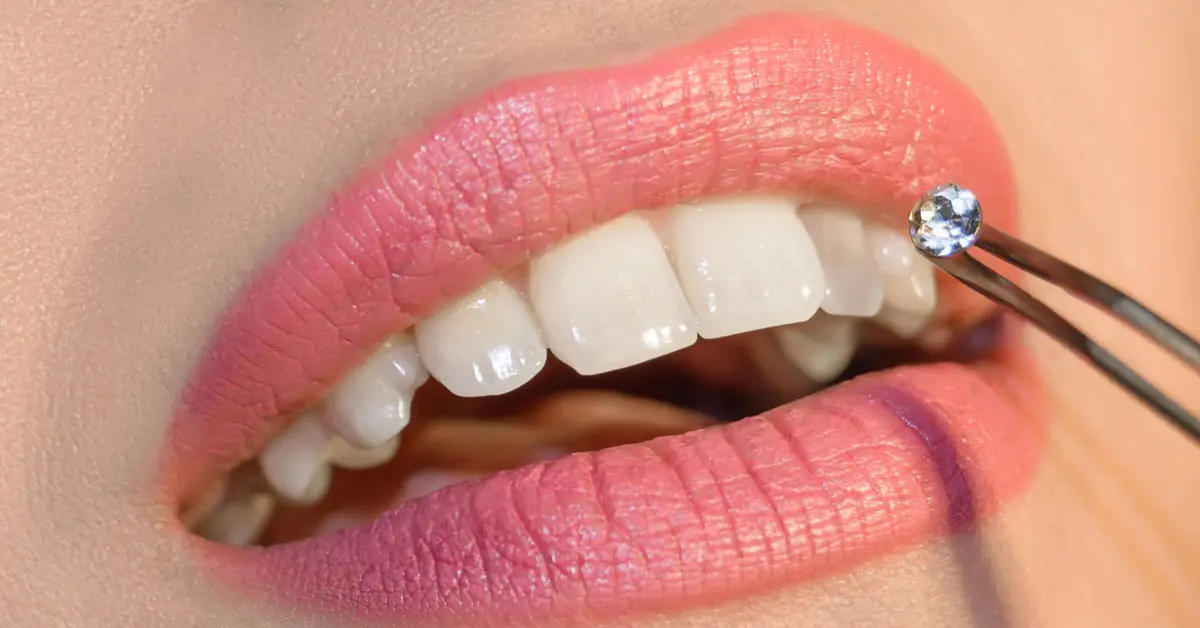
Dental Jewelry: An Elegant Touch for a More Captivating Smile
Dental jewelry—also known as tooth gems or dental crystals—are small adornments placed on the surface of the tooth to add a subtle yet refined sparkle. This trend is not new in aesthetic dentistry and has regained popularity among those who wish to express personal style without permanently altering the shape of their teeth.
Unlike invasive aesthetic treatments, dental jewelry placement is non-invasive. There is no drilling, grinding, or alteration of the tooth structure. If you ever decide to remove it, the diamond can be safely detached without damaging the enamel—provided the initial procedure is performed using the correct technique.
Medical Safety: Does Dental Jewelry Damage Tooth Enamel?
One of the most common questions is:
“Does dental jewelry damage tooth enamel?”
The answer is no, as long as the procedure is performed by a dentist using proper techniques.
Medically, dental jewelry placement uses adhesive bonding, the same principle applied in orthodontic brackets or aesthetic composite restorations. This procedure:
Requires no drilling
Does not abrade tooth enamel
Does not alter the natural tooth structure
The diamond is attached using dental-grade adhesive materials that are safe for the oral environment. Risks arise only when placement is done carelessly, using non-medical glue, or without proper hygiene standards.
For this reason, dental jewelry should always be placed by a professional—not as a DIY trend.
Important note: Although the procedure is safe, it is important to understand that dental diamonds can become areas where debris or food particles accumulate if oral hygiene is not properly maintained.
Plaque buildup around dental diamonds may increase the risk of:
Tooth decay
Gum inflammation around the placement area
Therefore, dental diamond placement should always be accompanied by a commitment to maintaining good oral hygiene and attending regular dental check-ups. With proper care, these risks can be minimized and overall oral health can be preserved.
Dental Jewelry Placement at a Professional Dental Clinic
At Onyx Dental Center, dental jewelry placement follows strict medical and aesthetic standards to ensure results that are both safe and refined.
The procedure generally includes:
Assessment of tooth condition and oral health
Thorough cleaning of the tooth surface
Application of dental-grade bonding material
Precise placement of the dental jewel
Curing using a specialized light
The crystals used are not ordinary accessories, but high-quality medical-grade crystals designed specifically for the oral environment. The procedure is quick, comfortable, and painless.
Ideal Dental Jewelry Placement: The Key to an Elegant Look
Beyond the quality of placement, positioning plays a vital role in the final appearance. The right placement enhances elegance and subtlety—never excess.
Some of the most popular and refined placements include:
The lateral incisor, for a soft accent visible when smiling
The canine tooth, offering a bolder yet elegant statement
A single small gem on one side of the front teeth for a modern, minimalist look
Care and Longevity of Dental Jewelry
With proper care, dental jewelry can last for years. To keep it secure and long-lasting:
Brush gently twice a day
Avoid biting hard objects
Visit your dentist for routine check-ups every six months
Never attempt to remove the jewel yourself
If removal is desired, a dentist can safely detach it without harming the enamel.
Conclusion
Dental jewelry is a modern form of tooth adornment that enhances your smile without compromising dental health—when placed professionally and correctly. Using adhesive bonding techniques, dental jewelry can be a safe, hygienic aesthetic accent while preserving the integrity of your teeth.
References
Kaur, H. (2022). Tooth adornments, gems, and grills. International Journal of Oral Health Sciences, 12(2), 50. https://doi.org/10.4103/ijohs.ijohs_26_22
Touyz, L. Z. G. (2023). Cosmetic dentistry and decorative diamonds in prosthodontics. ICARE, 2(3), 1031.https://contusmpublications.com/articles/icare-v2-1031.pdf