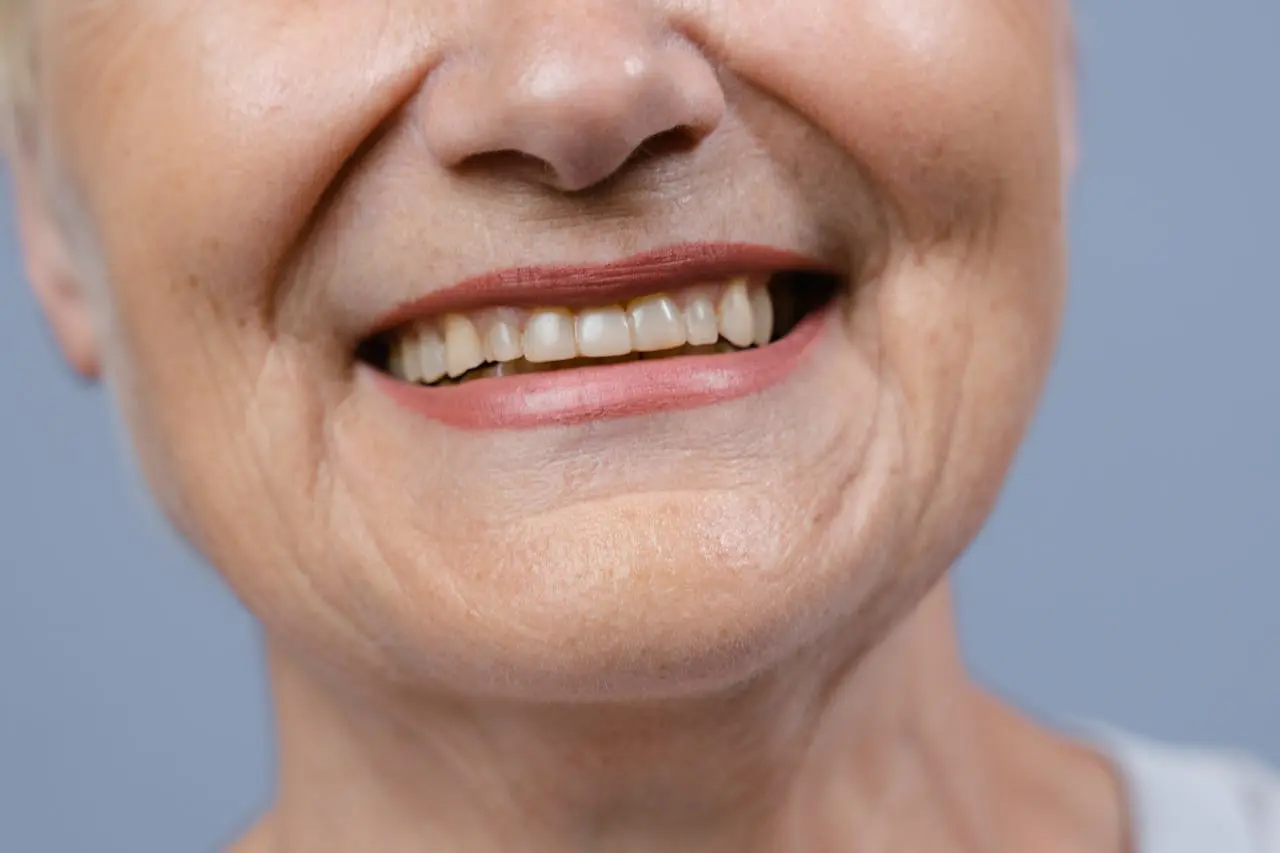
Having a bright smile with clean, white-looking teeth can certainly boost your confidence. However, before trying various popular whitening methods, it is important to choose a safe approach that does not damage the protective layer of your teeth.
Understanding what causes tooth discoloration will help you choose the most effective treatment while maintaining your oral health in the long term.
Why Do Teeth Look Yellow?
The natural color of teeth varies from person to person. Anatomically, dentin (the inner tooth structure) naturally has a slightly yellowish color, while enamel (the outermost layer of the tooth) is semi-translucent white. This is why not all healthy teeth appear bright white like those often shown in advertisements.
However, several factors can make teeth appear more yellow than normal:
Coffee, tea, soda, and dark-colored beverages: These drinks contain chromogens (strong color pigments) that can easily adhere to and penetrate the pores of tooth enamel.
Smoking or vaping habits: Tar and nicotine found in tobacco products and vape liquids can cause stubborn extrinsic stains ranging from yellow to brown on the tooth surface.
Plaque and tartar buildup: Food debris that is not properly cleaned can harden into tartar (calculus). Tartar has a porous texture that easily absorbs pigments from foods and beverages.
Aging: Over time, the white enamel layer naturally becomes thinner due to wear. This causes the underlying yellowish dentin layer to become more visible.
Simple daily habits can have a significant impact on tooth color over the long term.
Extrinsic Stains vs Intrinsic Tooth Discoloration: What's the Difference?
The cause of tooth discoloration largely determines which treatment option should be chosen. Medically, tooth discoloration is classified into two categories:
Extrinsic Discoloration (Surface Stains)
Causes: External factors such as consuming coffee, tea, soda, turmeric, smoking, or vaping. The pigments adhere to the outer enamel layer.
Characteristics: Easier to remove.
Solutions: Routine dental scaling, using safe whitening toothpaste, or undergoing professional bleaching treatment at a dental clinic.
Intrinsic Discoloration (Inside the Tooth)
Causes: Internal factors within the tooth structure (dentin layer), such as:
Trauma: A tooth that has been injured and experienced pulp death may become grayish in color.
Medications: Side effects of tetracycline antibiotics during tooth development.
Aging: Natural enamel thinning exposes more of the yellowish dentin underneath.
Characteristics: Cannot be removed through routine cleaning alone.
Solutions: Advanced cosmetic treatments such as veneers, dental crowns, or internal bleaching (bleaching performed from inside the root canal).
This is why not all yellow teeth can be treated using the same procedure.
Safe Ways to Whiten Teeth at Home
For some people, home care can be a good first step in maintaining a brighter smile, provided it is done safely and with realistic expectations.
Brushing with Whitening Toothpaste
Whitening toothpaste can help remove mild surface stains. However, it is important to understand that these products cannot significantly change the natural color of your teeth.
Their role is more suitable for maintenance rather than serving as the primary method for whitening yellow teeth.
Habits That Help Maintain a Brighter Smile
Several simple habits can help preserve tooth brightness:
Brush your teeth twice a day.
Rinse your mouth after drinking coffee or tea.
Use a straw when consuming colored beverages.
Schedule professional dental scaling every six months.
When practiced consistently, these habits can help maintain a brighter smile.
Natural Teeth Whitening Methods: Which Ones Should Be Avoided?
This is one area that is often misunderstood. Many “natural” whitening methods circulate on social media, including:
Baking soda
Lemon
Activated charcoal
Although these ingredients may seem harmless, excessive use is not recommended because they can:
Wear down tooth enamel
Cause tooth sensitivity
Accelerate future tooth discoloration
Therefore, if you are looking for a safe teeth-whitening solution, it is best to avoid abrasive or acidic ingredients without professional guidance.
Professional Teeth Bleaching by a Dentist
If you are looking for more noticeable and predictable results, professional teeth bleaching performed by a dentist is one of the most effective options.
How Does Teeth Bleaching Work?
Bleaching uses specialized whitening agents (typically peroxide-based) that penetrate the tooth structure and break down the pigments responsible for discoloration.
Results may include:
Teeth becoming several shades lighter
A significantly brighter overall appearance
Are You a Suitable Candidate for Bleaching?
Bleaching is generally suitable for:
Teeth that have become yellow due to food or beverage stains
Healthy teeth without large cavities or active infections
However, a comprehensive dental examination is always necessary before treatment.
When Is Bleaching Not Enough and Veneers or Restorations Are Needed?
Not every case of yellow teeth can be solved through bleaching alone. It is important to identify the cause of the discoloration and determine the most appropriate treatment plan for your specific condition.
Some situations that typically require alternative treatments include:
Severely darkened teeth due to trauma or a non-vital tooth (intrinsic discoloration)
Decayed and darkened teeth
Old dental fillings that have become discolored
In these situations, a dentist may consider:
Dental fillings or restorations
Root canal treatment
Internal bleaching
Dental veneers
The treatment plan will be tailored to your individual condition to ensure effective results while preserving long-term oral health.
Tips for Maintaining Whiter Teeth Longer
After successfully whitening your teeth, the next challenge is preserving the results.
Some important tips include:
Limit excessive consumption of coffee and tea
Avoid smoking
Use a straw for colored beverages
Brush your teeth regularly after breakfast and before bed
Visit your dentist for routine checkups every six months
Post-bleaching care is just as important as the whitening process itself. Good maintenance habits help keep your teeth looking bright and healthy.
Conclusion
Whitening yellow teeth does not always require the same treatment for everyone. Some people can achieve improvements through lifestyle changes and home care, while others may need professional teeth bleaching or advanced cosmetic treatments such as veneers.
Understanding the cause of tooth discoloration is the first step in choosing the most appropriate solution. If you are unsure whether veneers or bleaching would be more suitable, consulting a dentist can help determine the best option for your dental condition.
With an accurate diagnosis and appropriate treatment, you can achieve a brighter smile while maintaining long-term oral health.
References
Butera, A., Maiorani, C., Rederiene, G., Checchi, S., & Nardi, G. M. (2024). Evaluation of the Effectiveness of Different Types of Professional Tooth Whitening: A Systematic Review. Bioengineering, 11(12), 1178. https://doi.org/10.3390/bioengineering11121178
Carey, C. M. (2014). Tooth whitening: what we now know. The Journal of Evidence-Based Dental Practice, 14 Suppl, 70–76. https://doi.org/10.1016/j.jebdp.2014.02.006
Terra, R. M. O., Favoreto, M. W., Morris, T., Loguercio, A. D., & Reis, A. (2025). Effect of at-home bleaching agents and concentrations on tooth sensitivity: A systematic review and network meta-analysis. Journal of Dentistry, 155, Article 105891.https://doi.org/10.1016/j.jdent.2025.105891