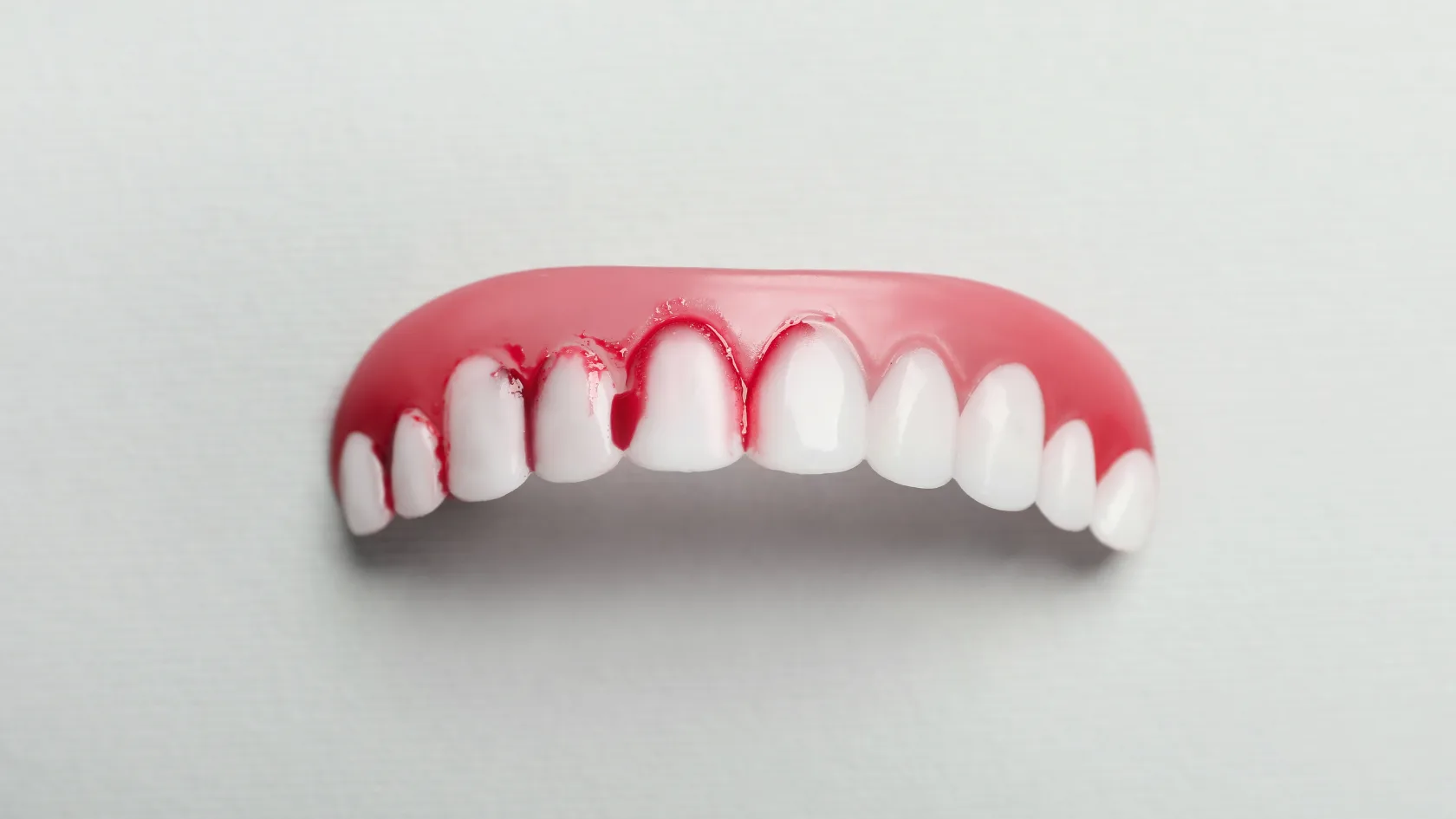
Many people assume that bleeding gums are simply caused by using a toothbrush with bristles that are too hard. In reality, this condition is often the body's first warning sign of gingivitis, a clinical manifestation of inflammation in the gum tissue (gingiva) that surrounds the teeth.
In dentistry, it is important to understand that gingivitis is one of the most common periodontal diseases affecting the population. The good news is that, unlike other forms of damage to the tooth-supporting structures, this gum inflammation is completely reversible if the source of irritation is eliminated through professional treatment and consistent improvements in oral hygiene habits.
So, what exactly is gingivitis, what are its risk factors, and how can it be prevented from a clinical perspective? Read the scientific overview below.
What Is Gingivitis?
Gingivitis is a localized inflammation of the soft gum tissue that surrounds the teeth. The condition is triggered by the accumulation of bacterial biofilm, commonly known as dental plaque, along the gumline (gingival margin). Plaque is a thin, sticky, colorless layer that naturally forms from food debris, saliva components, and microbial colonization within the oral cavity.
When plaque is not mechanically removed through tooth brushing, the bacteria within it release toxins that trigger the body's immune response in the form of inflammation. As a result, the blood vessels in the gums dilate (vasodilation), and the gum tissue becomes thin and fragile. This causes the gums to appear dark red, swollen, and prone to bleeding even with minor contact.
As the earliest stage of periodontal disease, inflammation during gingivitis remains limited to the superficial soft gum tissue and has not yet affected the periodontal ligament or the alveolar bone that supports the tooth roots.
Gingivitis vs. Periodontitis
Understanding the difference between these two stages of gum disease is important for determining prognosis and treatment planning.
Clinical Parameter | Gingivitis | Periodontitis |
Location of Inflammation | Limited to the soft gum tissue (gingiva). | Extends into deeper supporting structures, including ligaments and bone. |
Bone Damage | No damage to the tooth-supporting bone. | Permanent destruction of the alveolar bone occurs. |
Clinical Signs | Red, swollen gums that bleed during brushing. | Formation of periodontal pockets, gum recession, severe bad breath, and loose teeth. |
Healing Potential | Reversible (can return to complete health). | Irreversible (lost bone does not naturally regenerate). |
Although not every case of gingivitis progresses to periodontitis, almost all cases of periodontitis begin with chronic gingivitis that remains untreated over time.
Commonly Overlooked Symptoms of Gingivitis
One of the greatest challenges in managing gum disease is that the condition is often asymptomatic in its early stages and rarely causes significant pain, leading many people to ignore it.
Bleeding Gums While Brushing
This is the primary clinical indicator (gold standard) of active inflammation. Healthy gums have a strong protective barrier and should not bleed when brushed using proper technique. If bleeding occurs, it may indicate that the epithelial tissue within the gum sulcus has developed microscopic ulcerations due to plaque-related bacterial infection.
Changes in Gum Appearance
Healthy gums are typically pale pink (coral pink) and have a firm texture resembling an orange peel (stippling). In individuals with gingivitis, the gums may appear bright red, shiny, swollen, and rounded along the gum margin.
Persistent Halitosis (Bad Breath)
The accumulation of anaerobic bacteria within inflamed plaque produces foul-smelling gases known as Volatile Sulfur Compounds (VSCs), which cannot be eliminated simply by using cosmetic mouthwash or chewing gum.
Causes and Risk Factors of Gingivitis
Although plaque accumulation is the primary cause, several secondary factors can facilitate plaque retention or intensify the body's inflammatory response.
Tartar (Dental Calculus) Accumulation
Plaque that remains on the teeth for 24–48 hours can become mineralized by calcium from saliva and harden into tartar. Tartar has a rough surface that serves as an ideal environment for further bacterial accumulation. Unlike plaque, tartar cannot be removed through regular brushing alone.
Smoking
Toxic substances in tobacco impair the microcirculation of gum tissues, reducing oxygen supply and making the gums more susceptible to severe infections.
Hormonal Changes
Fluctuations in hormones such as estrogen and progesterone during puberty, menstruation, contraceptive use, and pregnancy can increase blood flow to the gums, making them more sensitive to even minimal plaque irritation.
Related Systemic Conditions
Diseases such as poorly controlled diabetes mellitus can significantly impair tissue healing and accelerate the severity of gum inflammation.
What Happens If Gingivitis Is Left Untreated?
Because gingivitis often does not cause significant discomfort, many people delay seeking treatment despite experiencing symptoms. However, ongoing inflammation can lead to more complex periodontal problems.
Potential consequences include:
Progressively worsening inflammation.
Formation of periodontal pockets.
Infection spreading into the tooth-supporting structures.
Gum recession.
Progression to periodontitis.
Increased risk of tooth mobility in advanced stages.
For this reason, maintaining gum health from an early stage is far easier than treating advanced periodontal disease. Routine dental examinations and professional cleanings play an essential role in prevention.
How to Treat and Prevent Gingivitis
The goal of gingivitis treatment is to eliminate the primary causes—plaque and tartar—while improving daily oral hygiene habits.
Scaling and Oral Hygiene Evaluation
One of the most commonly recommended treatments for gingivitis is dental scaling. Scaling is a professional cleaning procedure that removes plaque and tartar from the tooth surfaces and areas near the gumline.
Following scaling, the dentist will typically evaluate:
The condition of the gum tissues.
The level of plaque accumulation.
The patient's brushing technique.
Additional risk factors that may affect periodontal health.
At Onyx Dental Center, gum health assessments can be combined with a comprehensive oral hygiene evaluation to help maintain overall periodontal health.
Daily Oral Care Routine
In addition to professional treatment, successful gingivitis control depends heavily on daily habits.
Recommended practices include:
Brush Your Teeth Twice Daily
Brush after breakfast and before bedtime using a fluoride toothpaste and proper brushing technique for at least two minutes.
Use Dental Floss
Flossing helps remove plaque and food debris from areas that a toothbrush cannot easily reach.
Clean Your Tongue
The surface of the tongue can harbor bacteria that contribute to bad breath.
Limit High-Sugar Foods
A balanced diet supports overall oral health and helps reduce the risk of plaque accumulation.
Visit Your Dentist Regularly
Routine dental check-ups allow for early detection before problems become more serious.
When Should You Visit a Dentist?
Schedule a dental examination if you experience:
Recurrent gum bleeding.
Persistent gum swelling.
Ongoing bad breath.
Gum pain or discomfort.
Receding gums or changes in gum shape.
Increased tooth sensitivity.
Early examination helps the dentist determine whether the condition is still limited to gingivitis or has progressed into a more advanced periodontal disease.
For residents of Tangerang and surrounding areas, consultations are available at Onyx Dental Center, which provides gum health evaluations and professional dental cleaning services.
Conclusion
Gingivitis is a gum inflammation commonly caused by plaque accumulation around the gumline. Symptoms may include bleeding gums, swelling, redness, and persistent bad breath—signs that are often overlooked in the early stages.
The good news is that gingivitis is a condition that can often be effectively managed when detected early through scaling, gum health evaluations, and consistent oral hygiene practices.
If you are experiencing signs of gum inflammation or would like a comprehensive gum health assessment, consult a dentist at Onyx Dental Center. Early intervention can help maintain healthy gums and prevent the progression of more serious periodontal disease.
References
Daley, J. O., & Jain, P. (2023, March 27). Gingivitis. StatPearls Publishing. https://www.ncbi.nlm.nih.gov/books/NBK557422/
Elgasmi, F. E., Maghous, K., & Badre, B. (2025). Gingivitis in children and adolescents: Epidemiological overview and associated factors—A narrative review. Frontiers in Oral Health, 6, Article 1675033. https://doi.org/10.3389/froh.2025.1675033
Trombelli, L. (2025). Gingivitis: The Past, the Present, the Future. Journal of Periodontal Research, 60(6), 851–853. https://doi.org/10.1111/jre.70041