Tooth extraction is a common procedure in dental practice. After the procedure, most patients experience only mild to moderate pain that gradually improves over the course of a few days.
However, in a small number of patients, pain after tooth extraction may become more severe several days later. This condition may be a sign of dry socket, one of the more common post-extraction complications that can cause significant discomfort.
If you have recently undergone a tooth extraction and notice that the extraction site becomes increasingly painful after a few days, it is important to determine whether the discomfort is part of the normal healing process or a sign of dry socket.
What Is Dry Socket?
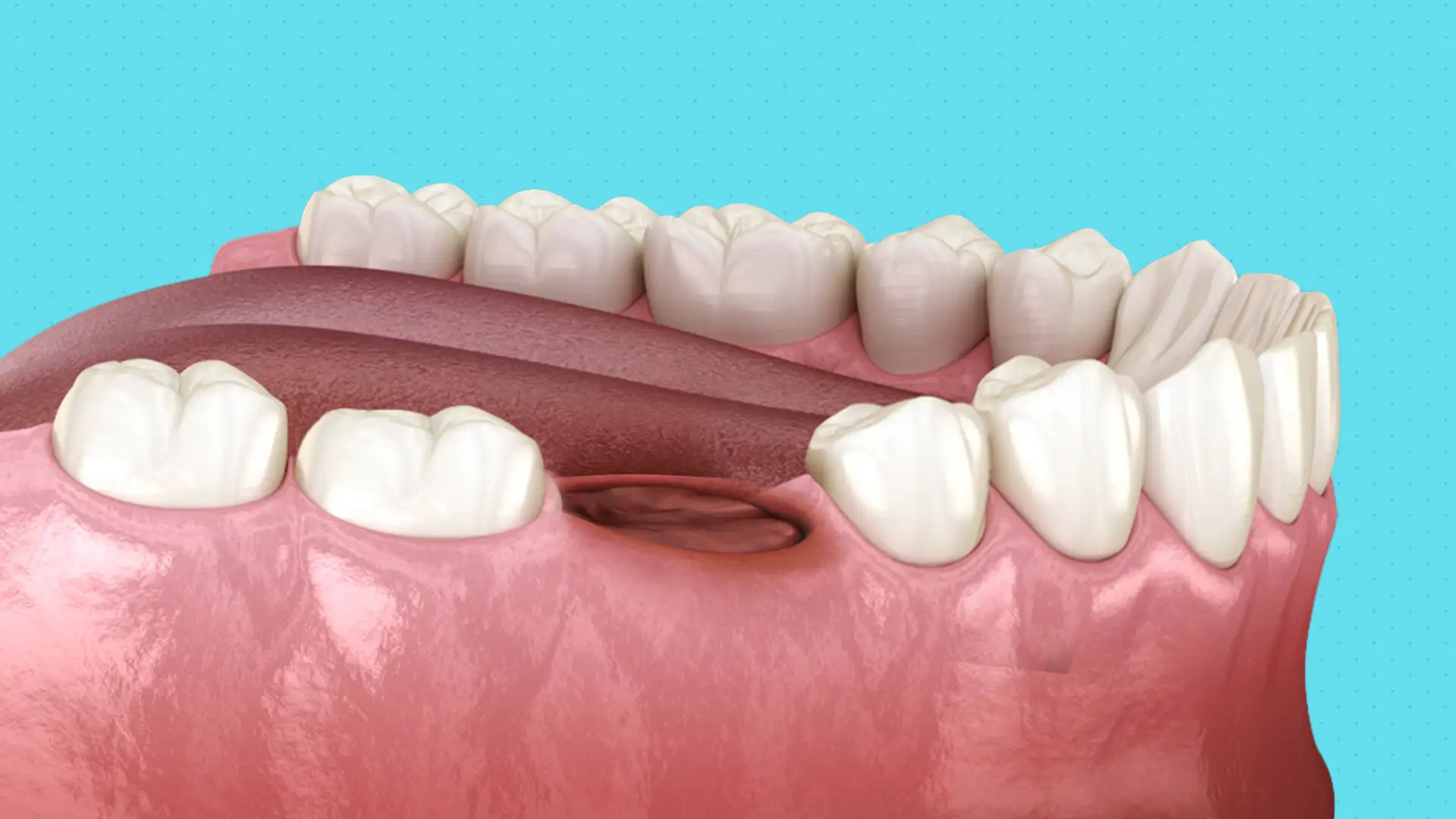
Dry socket (alveolar osteitis) is a complication that can occur after a tooth extraction when the blood clot that should protect the extraction socket becomes dislodged or fails to form properly.
During normal healing, a blood clot covers the bone and tissues inside the extraction socket. This clot serves as a natural protective barrier that helps support tissue regeneration and promotes healing.
When the blood clot is lost prematurely, the alveolar bone and nerve endings inside the socket become exposed. As a result, patients may experience pain after tooth extraction that is significantly more severe than normal post-extraction discomfort.
Dry socket most commonly occurs after the extraction of lower molars, particularly impacted wisdom teeth.
Why Can Dry Socket Occur After a Tooth Extraction?
The primary cause of dry socket is the premature loss or dislodgement of the blood clot from the extraction site before healing is complete.
Several mechanisms may contribute to this condition, including:
Mechanical dislodgement of the blood clot
Premature breakdown of the blood clot (fibrinolysis)
Impaired blood clot formation
Tissue trauma during a complex extraction procedure
It is important to understand that dry socket differs from a post-extraction infection, although both conditions can cause discomfort at the extraction site.
Symptoms of Dry Socket to Watch For
Severe Pain Several Days After Extraction
The hallmark symptom of dry socket is pain that develops or worsens approximately 1–5 days after tooth extraction.
Patients often describe the pain as:
Throbbing
Sharp
Radiating to the ear, neck, or jaw
Unlike normal post-extraction pain, which gradually improves each day, dry socket pain typically becomes increasingly intense.
Bad Breath or an Unpleasant Taste
Other common symptoms include:
Bad breath (halitosis)
An unpleasant taste in the mouth
Persistent discomfort around the extraction site
During a clinical examination, the dentist may observe an empty socket or the absence of the protective blood clot.
Visible Bone at the Extraction Site
In some cases, the bone at the base of the socket may become visible because it is no longer covered by a blood clot. This is one of the classic clinical signs of dry socket.
Dry Socket vs. Normal Pain After Tooth Extraction
Characteristic | Normal Post-Extraction Pain | Dry Socket (Alveolar Osteitis) |
Onset | Immediately after the anesthesia wears off | Usually 2–3 days after extraction |
Pain Intensity | Mild to moderate | Severe, throbbing, and may radiate to the ear or neck |
Pain Progression | Improves gradually each day | Worsens over time and often does not respond well to standard pain medication |
Breath & Taste | No unusual symptoms | Bad breath and a bitter or unpleasant taste |
Appearance of Socket | Dark red blood clot remains in place | Socket appears empty; blood clot is missing and bone may be visible |
Need for Dental Follow-Up | Usually no, provided medications are taken as prescribed | Immediate dental evaluation is recommended |
If your pain becomes more severe 2–3 days after the extraction, do not assume it is a normal part of healing. Contact your dentist promptly for appropriate evaluation and treatment.
Risk Factors for Dry Socket
Not every patient who undergoes a tooth extraction will develop dry socket.
Several factors are known to increase the risk:
Smoking
Nicotine can interfere with blood flow and tissue healing. In addition, the suction motion involved in smoking can dislodge the blood clot from the socket.
Difficult or Complex Extractions
Impacted wisdom tooth extractions and procedures involving significant tissue trauma are associated with a higher risk of dry socket.
Poor Oral Hygiene
The accumulation of plaque and bacteria can interfere with proper healing after extraction.
Previous History of Dry Socket
Patients who have experienced dry socket in the past may have a higher risk of developing it again following future extractions.
Early Use of a Straw
The negative pressure created when drinking through a straw can disrupt the stability of the blood clot during the initial healing phase.
What Should You Do If You Suspect a Dry Socket?
If you experience symptoms that suggest dry socket, the best course of action is to contact the dentist who performed the extraction as soon as possible.
Your dentist may perform:
Examination of the extraction socket
Cleaning of the affected area if necessary
Placement of a medicated dressing to reduce pain
Evaluation for other possible complications
Do not attempt to clean the socket yourself using sharp objects or rinse your mouth aggressively, as this may worsen the condition.
For patients in Tangerang and Karawaci, post-extraction follow-up care is available at Onyx Dental Center to help ensure optimal healing.
How to Prevent Dry Socket After a Tooth Extraction
Preventing dry socket begins on the first day after the extraction. Recommended steps include:
During the First 24 Hours
Bite on the gauze as instructed by your dentist
Avoid vigorous rinsing
Avoid frequent spitting
Avoid using a straw
Avoid smoking
In the Following Days
Maintain oral hygiene carefully
Brush your teeth gently
Eat soft foods temporarily
Stay well hydrated
Follow all post-operative care instructions provided by your dentist
Most cases of dry socket can be prevented by carefully following post-extraction instructions.
When Should You Contact Your Dentist Immediately?
Contact your dentist promptly if you experience any of the following:
Pain that becomes worse after the second or third day
Pain that does not improve with pain medication
Pain radiating to the ear or temple
Unusual bad breath
An extraction site that feels empty or extremely sensitive
Do not wait until the pain becomes unbearable.
Conclusion
Dry socket is a post-extraction complication that occurs when the blood clot at the extraction site is lost before healing is complete. It is typically characterized by pain after tooth extraction that becomes increasingly severe several days later, often accompanied by bad breath and discomfort around the extraction area.
The main difference between dry socket and normal post-extraction pain is the pattern of progression. Normal pain gradually improves over time, whereas dry socket causes increasing pain and discomfort at the extraction site from day to day.
If you experience symptoms that may indicate dry socket, do not delay seeking professional care. Early treatment can help relieve pain and support a smoother healing process.
References
Kamal, A., Omar, M., & Samsudin, A. R. (2022). Management of dry socket: New regenerative techniques emerge while old treatment prevails. Dental Update: Review, 1, Article 100035. https://doi.org/10.1016/j.dentre.2022.100035
Mamoun, J. (2018). Dry Socket Etiology, Diagnosis, and Clinical Treatment Techniques. Journal of the Korean Association of Oral and Maxillofacial Surgeons, 44(2), 52–58. https://doi.org/10.5125/jkaoms.2018.44.2.52
Rohe, C., & Schlam, M. (2023). Alveolar osteitis. StatPearls Publishing. https://www.ncbi.nlm.nih.gov/books/NBK582137/