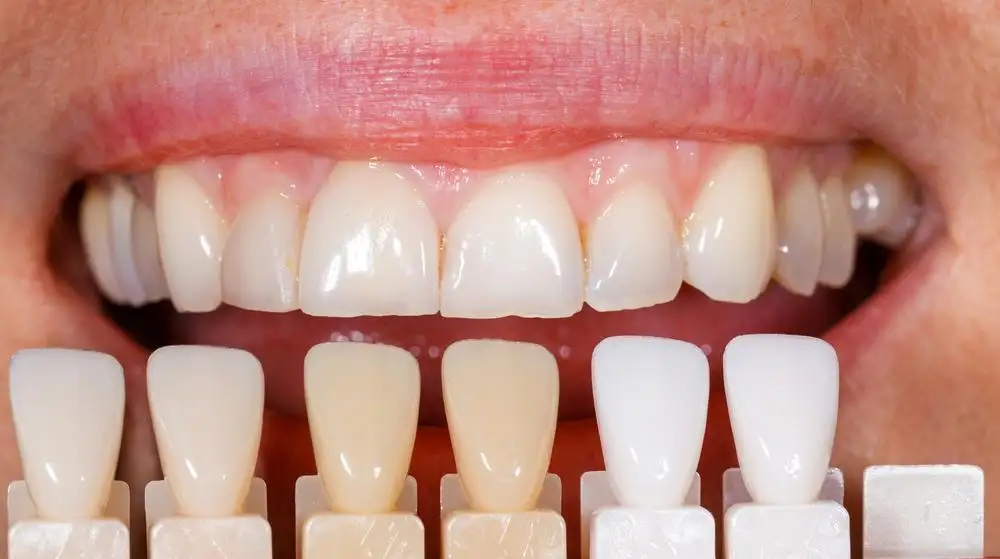
Dental veneers have become one of the most popular cosmetic dental treatments because they can improve the shape, color, and proportions of your teeth while creating a natural-looking smile. However, many people considering a smile makeover wonder: Are there any side effects of dental veneers?
The answer is yes. Like any dental procedure, veneers come with potential risks. Fortunately, most of these risks can be minimized through proper diagnosis, meticulous treatment planning, skilled placement, and appropriate aftercare.
If you're considering dental veneers, understanding both the benefits and potential side effects will help you make a well-informed decision with your dentist during a comprehensive veneer consultation.
Are Dental Veneers Risky?
In general, dental veneers are considered a safe treatment when performed on carefully selected patients by an experienced dentist.
A veneer is a thin shell bonded to the front surface of a tooth to enhance the appearance of your smile. There are two primary types of veneers:
Composite Resin Veneers (Direct Veneers)
Applied directly onto the teeth in a single appointment.Porcelain Veneers
Custom-made in a dental laboratory to provide superior esthetics and long-term durability.
The long-term success of a smile makeover depends on much more than the veneer material itself. Several clinical factors contribute to successful treatment, including:
Healthy teeth and gums free from active infection or inflammation
A balanced bite (occlusion) to prevent excessive stress on the veneers
Sufficient healthy enamel for optimal bonding
Precise tooth preparation and adhesive techniques
Good patient habits after treatment, including avoiding hard objects and managing teeth grinding (bruxism)
For this reason, an in-person consultation and comprehensive examination are always the most important first steps before deciding to proceed with veneers.
Side Effects of Dental Veneers You Should Know
Tooth Sensitivity After Veneers
One of the most common side effects of dental veneers is temporary tooth sensitivity, especially during the first few days or weeks after placement when minimal enamel reduction is required.
Patients may experience sensitivity to:
Cold foods and beverages
Hot drinks
Sweet foods
In most cases, sensitivity gradually subsides. However, if discomfort persists or worsens, your dentist will evaluate the underlying cause.
It's important to know that not all veneers require significant tooth reduction. Some patients may be candidates for minimal-preparation or no-prep veneers, although these techniques are only appropriate for selected cases. Your dentist will determine the best approach after evaluating your teeth.
Risk of Veneers Becoming Loose or Chipped
Dental veneers are durable, but they are not indestructible.
The risk of veneer failure increases with habits such as:
Biting hard objects
Opening packages with your teeth
Chewing ice
Teeth grinding (bruxism)
Trauma or impact to the front teeth
In addition to patient habits, the quality of the bonding procedure and veneer design also influence longevity.
If your veneer becomes loose or chipped, avoid attempting to glue it back yourself. If the veneer remains intact, keep it safely and schedule a dental appointment as soon as possible.
Color or Shape May Not Meet Expectations
Some patients feel dissatisfied with their veneers because:
The shade appears too white or too dark
The teeth appear too large
The smile looks disproportionate
The final result appears less natural than expected
These issues are usually preventable with careful treatment planning before the veneers are fabricated.
At Onyx Dental Center, we utilize Digital Smile Design (DSD) and digital smile planning technology to simulate your future smile, allowing expectations to align closely with realistic treatment outcomes.
Risks of Dental Veneers Without Proper Diagnosis
Not every cosmetic concern should be treated with veneers.
When veneers are placed without a comprehensive examination, several complications may occur, including:
Untreated tooth decay
Active gum disease
Marginal leakage around the veneer
Bite problems that increase the risk of veneer fracture or debonding
Pain during chewing caused by an unstable bite
For this reason, veneers should never be viewed as merely a cosmetic procedure. They require a comprehensive diagnosis and individualized treatment planning.
Who Is a Good Candidate for Veneers?
Dental veneers may be an excellent option if you have:
Tooth discoloration that does not respond to whitening
Worn or slightly chipped front teeth
Small gaps between teeth (diastema)
Teeth with irregular proportions
Old composite restorations that have become discolored
However, additional evaluation is necessary if you have:
Active tooth decay
Uncontrolled gum disease
Untreated bruxism
Habitual biting of hard objects
Extensive tooth structure loss requiring a dental crown instead
Treatment recommendations are always customized for each individual patient. This is why a comprehensive veneer consultation is an essential part of treatment planning.
How to Minimize the Risks and Side Effects of Dental Veneers
Most veneer-related complications can be significantly reduced through careful digital treatment planning.
During Digital Smile Planning, your dentist evaluates:
Facial proportions
Smile line
Tooth shape
Lip-to-tooth relationship
Overall facial harmony
This digital simulation helps create veneers that are both highly esthetic and naturally proportioned.
Your dentist will also evaluate your bite and overall oral health before treatment to ensure:
Healthy gums
No active infection
Stable bite alignment
No untreated jaw joint disorders or bruxism that could compromise long-term success
These steps help reduce complications and ensure that your veneers are not only beautiful but also support long-term oral health.
Caring for Your Veneers
To maximize the lifespan of your veneers, follow these recommendations:
Brush twice daily using fluoride toothpaste and a soft-bristled toothbrush
Clean between your teeth with dental floss
Avoid biting hard objects
Wear a night guard if recommended for bruxism
Visit your dentist regularly for routine check-ups
Porcelain veneers are highly resistant to staining. However, maintaining healthy gums and clean restoration margins remains essential for preserving an attractive smile.
When Should You Schedule a Veneer Consultation?
Schedule a veneer consultation if you notice any of the following:
A veneer feels loose
A veneer becomes chipped or cracked
Persistent tooth sensitivity
Bleeding or swollen gums around the veneer
Pain when biting
Discoloration around the veneer margins
At Onyx Dental Center Karawaci, every veneer case begins with a comprehensive evaluation, including an assessment of your teeth, gums, bite, and digital smile planning to design a smile that is both harmonious and natural.
An initial consultation can help determine whether veneers are the most suitable treatment or if another restorative option would better meet your needs.
Conclusion
The side effects of dental veneers may include temporary tooth sensitivity, veneer chipping or debonding, and results that may not fully meet expectations. However, most of these risks can be significantly reduced through proper case selection, digital smile planning, precise clinical techniques, and routine maintenance.
If you're looking for a beautiful, natural-looking smile that also supports long-term oral health, a comprehensive consultation is the best first step. At Onyx Dental Center Karawaci, our dentists carefully evaluate each patient's oral condition and aesthetic goals to recommend the most appropriate smile makeover solution.
Baca Juga:
Reference
Alghazzawi, T. F. (2024). Clinical Survival Rate and Laboratory Failure of Dental Veneers: A Narrative Literature Review. Journal of Functional Biomaterials, 15(5), 131. https://doi.org/10.3390/jfb15050131
Hassan, R. S., & Hanoon, Z. A. (2026). Clinical advantages and negative consequences of dental veneers: A review. International Journal of Medical Science and Dental Health, 12(2), 45–50. https://doi.org/10.55640/ijmsdh-12-02-06
Lim, T. W., Tan, S. K., Li, K. Y., & Burrow, M. F. (2023). Survival and complication rates of resin composite laminate veneers: A systematic review and meta-analysis. Journal of Evidence-Based Dental Practice, 23(4), Article 101911. https://doi.org/10.1016/j.jebdp.2023.101911