Why Isn’t Everyone Immediately Eligible for Dental Implants?
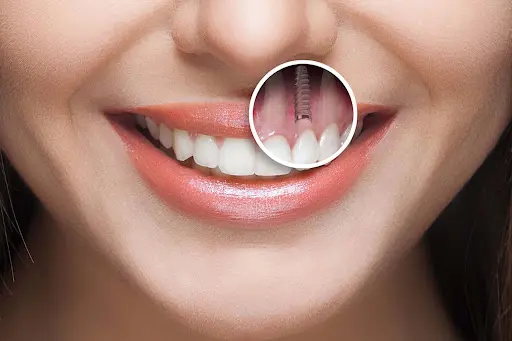
A dental implant is a procedure to replace missing teeth by placing an artificial tooth root (typically made of titanium) into the jawbone.
Unlike fillings or veneers, this procedure involves an essential biological process called osseointegration, where the jawbone cells grow and fuse tightly with the surface of the implant. Without this process, the implant may become unstable and fail.
That is why dentists must ensure that both the foundation (jawbone) and the environment (overall health) are in optimal condition before treatment begins.
The success of dental implants depends on:
The quality and quantity of jawbone
The health of gum (periodontal) tissues
The patient’s overall health condition
For this reason, not all patients can undergo implant placement without a thorough clinical and radiographic evaluation.
Ideal Candidates: Who Is Suitable for Dental Implants?
Patients with the following conditions generally have higher success rates:
Healthy Jawbone
Adequate bone volume (height and thickness)
No severe bone resorption
Sufficient bone density for implant stability
Healthy Gums
Free from gum disease such as periodontitis
No active inflammation
Healthy soft tissue condition
Controlled General Health
No uncontrolled systemic diseases (e.g., uncontrolled diabetes)
Normal healing capacity
Good Oral Hygiene
Consistent oral hygiene habits
Routine dental check-ups every 6 months
Commitment to long-term care
These combined factors play a crucial role in long-term implant success.
Contraindications: Who Should Avoid Dental Implants?
Contraindications are categorized into relative and absolute.
Relative Contraindications (Require Special Consideration)
These conditions do not completely prevent treatment but increase the risk of complications:
Active smokers: Nicotine restricts blood flow, slowing healing
Controlled diabetes mellitus: Possible if blood sugar is well-managed
Bruxism (teeth grinding): Can place excessive pressure on implants
Poor oral hygiene: Increases post-surgical infection risk
Absolute Contraindications (High Risk Conditions)
In these cases, dental implants are generally not recommended:
Severe systemic diseases (e.g., unstable heart conditions, severe immune disorders)
Recent radiation therapy to the head and neck (risk of bone necrosis)
High-dose bisphosphonate therapy, often used in cancer treatment, which significantly affects bone metabolism
Dental Implants for Smokers and the Elderly: Is It Possible?
Smokers
Dental implants are still possible for smokers, but with important considerations. The risk of implant failure is higher, healing may take longer, and the risk of infection increases. It is strongly recommended to stop smoking before the procedure and throughout the healing period to improve treatment success.Elderly Patients
Age itself is not a primary contraindication for dental implants. As long as the jawbone is adequate and systemic health is stable, older adults can still be good candidates. Proper planning and comprehensive evaluation are key to successful outcomes in this group.
The Role of Jawbone and Gums in Implant Success
Jawbone
Serves as the main foundation
Determines primary implant stability
Supports the osseointegration process
Insufficient bone increases the risk of implant failure.
Gum Tissue
Protects the implant from infection
Maintains natural aesthetics and contour
Healthy soft tissue is essential for long-term success.
Supporting Procedures Before Implant Placement
If jawbone volume has decreased due to long-term tooth loss, preparatory procedures may be needed:
Procedure | Description |
Bone Grafting | Adds bone volume using graft material |
Sinus Lift | Increases bone height in the upper back jaw near the sinus cavity |
Periodontal Treatment | Eliminates gum infection before implant placement |
Timeline: How Long Does the Implant Process Take?
Dental implant treatment is done in stages:
Consultation and examination (including radiography/CBCT)
Implant placement
Healing phase (osseointegration): approximately 3–6 months
Crown placement after the implant becomes stable
Total treatment time typically ranges from 3 to 9 months, depending on individual conditions.
Conclusion
Not everyone can immediately undergo dental implant treatment, as success depends on jawbone condition, gum health, and overall health status.
However, with proper evaluation and supporting procedures when needed, most patients—including smokers and elderly individuals—can still become suitable candidates.
The key to implant success lies in:
Accurate diagnosis
Careful treatment planning
Patient compliance with aftercare
References
de-Freitas, N. R., Lima, L. B., de-Moura, M. B., Veloso-Guedes, C. C., Simamoto-Júnior, P. C., & de-Magalhães, D. (2016). Bisphosphonate treatment and dental implants: A systematic review. Medicina oral, patologia oral y cirugia bucal, 21(5), e644–e651. https://doi.org/10.4317/medoral.20920
Gupta, R., Gupta, N., & Weber, K. K. (2023, August 8). Dental implants. StatPearls Publishing. https://www.ncbi.nlm.nih.gov/books/NBK470448/
Kullar, A. S., & Miller, C. S. (2019). Are There Contraindications for Placing Dental Implants?. Dental clinics of North America, 63(3), 345–362. https://doi.org/10.1016/j.cden.2019.02.004