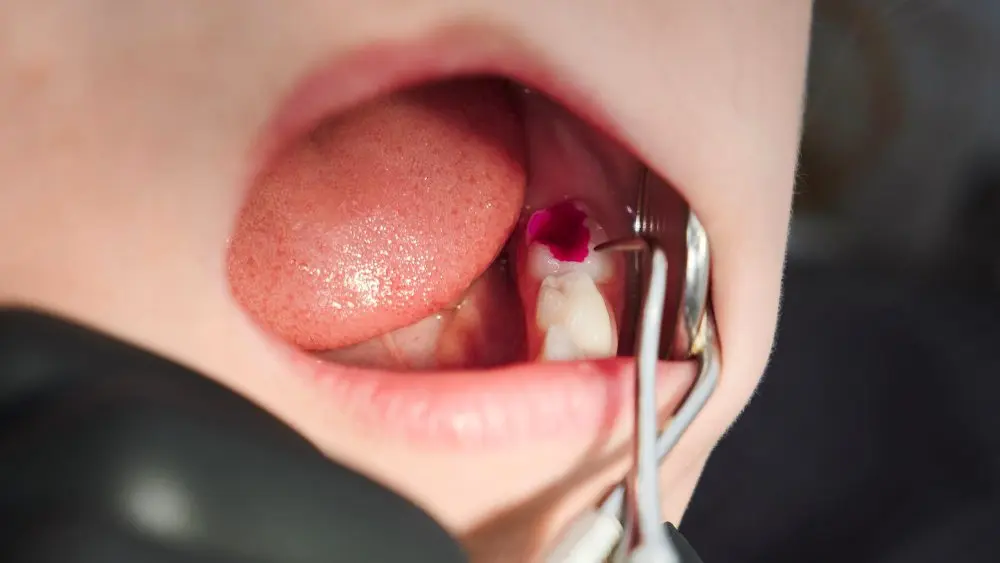
What Is Dental Caries and Why Is It So Common?
Dental caries is an infectious process affecting the tooth structure, caused by bacterial activity within dental plaque. These bacteria convert sugars from food into acids, which gradually weaken the tooth surface.
If left untreated, caries will continue to progress from the outer layer to the deeper structures of the tooth.
This condition is highly common due to several contributing factors:
Frequent consumption of sugary and sticky foods
Inadequate oral hygiene
High snacking frequency
Lack of fluoride exposure
What is often overlooked is that cavities do not form suddenly—they develop gradually through several stages.
Stage 1 – Enamel Caries: No Pain, Still Reversible
At the earliest stage, caries affects only the enamel (the outermost layer of the tooth).
Signs:
White or brownish spots
No pain
Tooth surface still appears intact
At this stage, demineralization has begun but can still be halted or even reversed through:
Improved oral hygiene
Fluoride use
Dietary adjustments (reducing sugar intake and snacking frequency)
This is the optimal stage for intervention without invasive procedures.
Stage 2 – Dentin Caries: Sensitivity Begins, Treatment Needed
If untreated, caries progresses beyond the enamel into the dentin, a softer layer beneath.
Signs:
Tooth sensitivity (especially to cold or sweet foods)
Visible cavities
Food easily gets trapped
At this stage, the condition is no longer reversible and requires:
Dental fillings (restorative treatment) to stop further progression
Delaying treatment allows the decay to spread faster, as dentin is more vulnerable to acid and bacterial damage.
Stage 3 – Pulpal Caries: Severe Pain, Root Canal Treatment Required
When the infection reaches the pulp (the nerve of the tooth), the condition becomes more serious.
Signs:
Sharp pain without stimulus
Throbbing pain that may disrupt daily activities or sleep
High sensitivity to hot and cold
Possible swelling
At this stage, the pulp becomes inflamed or infected, requiring:
Root Canal Treatment (RCT)
This procedure removes the infected nerve tissue from the root canal. The canal is then cleaned, disinfected, and filled to prevent reinfection.
Afterward, the tooth is typically restored with a filling or a dental crown to regain strength and function.
Tooth Extraction
If the tooth structure is too damaged or the infection is too extensive, extraction may be necessary.
Following extraction, tooth replacement options such as dental implants, bridges, or removable dentures may be recommended to restore function and aesthetics.
Stage 4 – Root Gangrene: Non-Vital Tooth and Risk of Advanced Infection
In advanced stages, the pulp tissue becomes non-vital, and infection spreads to the surrounding tissues.
Signs:
Pain may decrease or disappear
Unpleasant odor from the tooth
Swelling or abscess (pus formation)
Darkened tooth color
Although pain may subside, this condition is serious because:
Infection can spread to surrounding tissues
It may lead to more severe complications
Treatment:
Advanced root canal treatment (if still possible)
Tooth extraction
How to Prevent Caries from Progressing
Prevention focuses on controlling the underlying causes:
Brush teeth at least twice daily with fluoride toothpaste
Reduce the frequency of sugar consumption (not just the amount)
Clean between teeth using dental floss
Visit the dentist regularly every 6 months
Undergo professional scaling to remove plaque and tartar
This approach is essential, as dental caries is a multifactorial condition that develops gradually over time.
Early Detection to Preserve Tooth Structure
At Onyx Dental Center, we emphasize early detection and a minimally invasive approach in managing dental caries.
With advanced diagnostic technology, we are able to:
Detect caries at an early stage
Accurately assess the depth of the condition
Design treatments that preserve as much natural tooth structure as possible
Because our goal is not only to relieve symptoms, but also to maintain long-term function and strength.
Conclusion
Dental caries is a progressive condition that begins with enamel changes and can advance to nerve and root infection.
Understanding each stage helps determine the right timing for treatment before the condition becomes more complex.
The earlier it is treated, the greater the chance of preserving the natural tooth structure.
References
Budisak, P., & Brizuela, M. (2023, November 12). Dental caries classification systems. In StatPearls. StatPearls Publishing. https://www.ncbi.nlm.nih.gov/books/NBK597361/
Rathee, M., & Sapra, A. (2023, June 21). Dental caries. In StatPearls. StatPearls Publishing. https://www.ncbi.nlm.nih.gov/books/NBK551699/
Young, D. A., Nový, B. B., Zeller, G. G., Hale, R., Hart, T. C., & Truelove, E. L. (2015). The American Dental Association Caries Classification System for clinical practice: A report of the American Dental Association Council on Scientific Affairs. Journal of the American Dental Association, 146(2), 79–86. https://doi.org/10.1016/j.adaj.2014.11.018