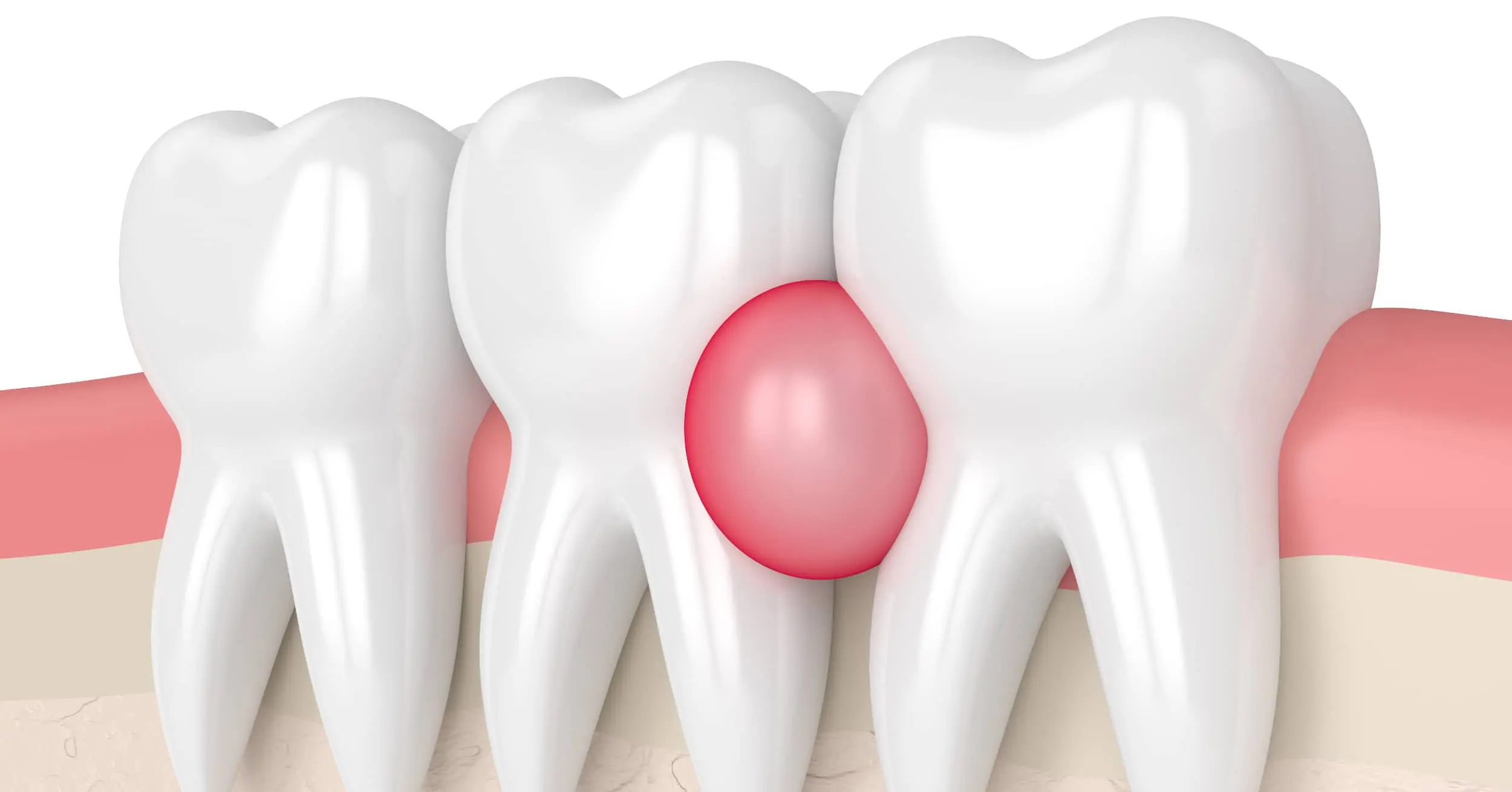
A dental abscess is a collection of pus caused by a bacterial infection that develops around the gums, tooth roots, or surrounding tissues. This condition often results in swollen gums filled with pus, throbbing pain, bad breath, and even fever. In dental health, abscesses are considered an emergency because of the risks associated with root infections that can spread to other areas.
Dental abscesses may form in:
The tip of the tooth root (periapical)
The gums (periodontal)
Surrounding tissues near the tooth
What Causes a Dental Abscess?
Several common factors can lead to the formation of an abscess:
Untreated Tooth Decay (Caries)
A small cavity left untreated can progress deep into the tooth, reaching the nerve and triggering an infection that develops into an abscess.
Gum Disease (Periodontitis)
The buildup of plaque and tartar can cause gum inflammation that eventually leads to abscess formation.
Trauma to the Teeth
Cracked or fractured teeth create openings for bacteria to enter, causing deep infection.
Poor Oral Hygiene
Irregular brushing or skipping scaling appointments increases bacterial buildup, making abscesses more likely to occur.
Proper Treatment for Dental Abscess
Professional dental care is essential to treat the infection effectively. Common treatments include:
Drainage of Pus
The dentist opens the abscess area to release pus and reduce pressure—this is the primary method for treating pus accumulation on the gums.
Root Canal Treatment for Abscess
If the infection comes from within the tooth, the dentist performs root canal therapy to eliminate bacteria.
Tooth Extraction
Performed when the tooth can no longer be saved or when infected root remnants become the source of the problem.
Antibiotics
Prescribed to help control bacterial spread, especially when the infection has reached nearby tissues.
The earlier the abscess is treated, the lower the risk of serious complications.
Why You Should Never Delay Abscess Treatment
Delaying treatment can lead to severe complications, such as:
Spread of Infection to the Face and Neck
The infection may spread to the cheeks, jaw, and neck if the source is not treated promptly.
Systemic Infection
Bacteria from the abscess can enter the bloodstream, spreading to other organs and potentially causing dangerous health conditions.
Difficulty Breathing
Severe swelling under the jaw may press on the airway, leading to difficulty breathing.
Worsening Pain
A dental abscess will not heal on its own—even with painkillers. This is why professional dental treatment is essential, especially in dental clinics offering emergency care such as Onyx Dental Center.
Signs of a Dangerous Abscess That Require Immediate Treatment
Seek dental care immediately if you experience:
Increasing swelling
Fever
Intense throbbing pain
Difficulty opening your mouth
Trouble swallowing
Continuous discharge of pus from the gums
Strong, unpleasant breath
Also watch for signs of a ruptured dental abscess, such as sudden pus discharge, a salty or foul taste, and a rapid decrease in pain. Although it may feel relieving, the condition remains dangerous because the infection may still spread.
Conclusion
A dental abscess and pus-filled gum swelling are serious conditions requiring prompt treatment. Delaying care increases the risk of infection spreading, including serious root infections that may compromise overall health.
Seek professional dental care immediately to remove the source of infection through drainage, antibiotics, or root canal treatment. If you experience symptoms of an abscess, visit Onyx Dental Center for safe and effective treatment.
Reference
Mady, M., ALMuhanna, K. H., Hamdi, B. A., ALJazi, A. A., AlSayoufi, M. A., Qurban, S. A., et al. (2022). Dental abscess: Literature review on diagnosis and management of dental abscess. Archives of Pharmacy Practice, 13(1), 108–110. https://doi.org/10.51847/5VgXBlyWQf
Shweta, & Prakash, S. K. (2013). Dental abscess: A microbiological review. Dental research journal, 10(5), 585–591