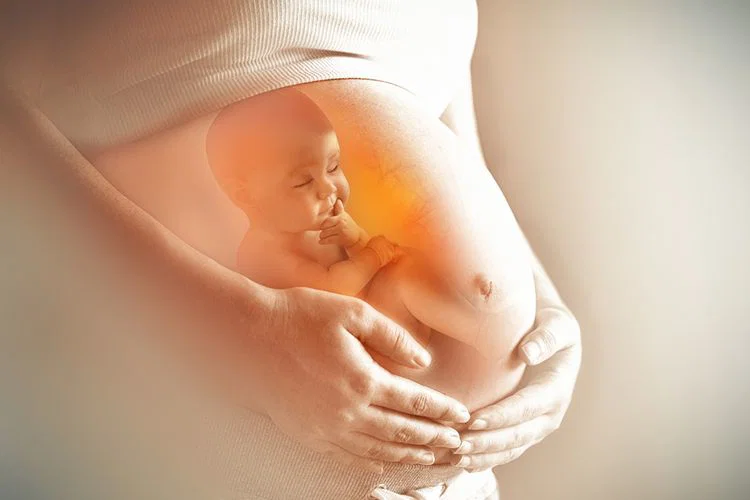
Bleeding gums during pregnancy are common, especially when brushing your teeth or flossing. Hormonal changes can make your gums more sensitive to plaque, increasing the risk of inflammation and bleeding. This condition is known as pregnancy gingivitis.
Although common, bleeding gums should not be ignored. If you experience recurring bleeding, swollen gums, pain, or persistent bad breath, a dental examination can help identify the underlying cause.
The good news is that maintaining good oral hygiene and receiving necessary dental care during pregnancy remain important. You do not need to wait until after delivery to have dental problems assessed.
Why Do Gums Bleed During Pregnancy?
Bleeding gums during pregnancy are often caused by inflammation triggered by plaque buildup, which can be aggravated by hormonal changes.
1. Hormonal Changes During Pregnancy
Increased levels of estrogen and progesterone can affect how gum tissue responds to bacteria in dental plaque. As a result, your gums may become red, swollen, and more likely to bleed, even when plaque buildup is relatively limited.
This condition is known as pregnancy gingivitis. It can develop even if you rarely experienced gum problems before pregnancy.
2. Plaque and Tartar Buildup
Plaque is a sticky film of bacteria that forms on teeth and along the gumline. If it is not removed regularly, it can trigger inflammation and eventually harden into tartar.
Tartar cannot be removed through regular brushing alone and may require professional cleaning by a dentist.
3. Existing Gum Problems and Daily Habits
Other factors that may contribute to bleeding gums during pregnancy include:
Periodontitis: Inflammation that affects the deeper tissues supporting the teeth.
Aggressive brushing: Brushing too hard can irritate gum tissue.
Changes in eating habits: Frequent snacking may increase plaque buildup if oral hygiene is inadequate.
Morning sickness: Repeated exposure to stomach acid can erode tooth enamel.
Dry mouth: Reduced saliva can weaken the mouth's natural protection against dental problems.
A dental examination can help distinguish pregnancy gingivitis from other conditions that may require different treatment.
Swollen Gums During Pregnancy: When Should You See a Dentist?
Swollen gums during pregnancy may indicate inflammation, particularly when accompanied by bleeding. Recognizing the warning signs can help you determine when to seek dental care.
Schedule a dental appointment if you experience:
Repeated bleeding when brushing your teeth or flossing.
Red, swollen, or painful gums.
Persistent bad breath despite regular oral hygiene.
Loose teeth or visibly receding gums.
Do not wait for symptoms to worsen. Early assessment helps your dentist identify the cause and recommend appropriate treatment.
Seek urgent medical or dental attention if you experience:
Continuous gum bleeding that is difficult to stop.
Gum or facial swelling accompanied by fever or severe pain.
Swelling that causes difficulty breathing or swallowing.
Difficulty breathing or swallowing requires emergency medical attention.
How to Care for Your Gums and Brush Your Teeth During Pregnancy
When gums bleed, some pregnant women become afraid to brush their teeth. However, stopping regular brushing can allow more plaque to accumulate and make inflammation worse.
Here are practical ways to maintain oral hygiene during pregnancy.
1. Use a Soft-Bristled Toothbrush
Brush your teeth twice a day for two minutes using a soft-bristled toothbrush. Clean all tooth surfaces and the areas along the gumline with gentle movements. Avoid applying excessive pressure.
2. Choose Fluoride Toothpaste
Use fluoride toothpaste to help strengthen tooth enamel and prevent cavities. Continue brushing regularly, even if your gums are sensitive.
3. Clean Between Your Teeth Daily
Use dental floss once a day to remove plaque and food debris from areas your toothbrush cannot reach. Be gentle to avoid irritating your gums.
4. Manage Nausea While Brushing
If brushing your teeth triggers nausea, try the following:
Use a toothbrush with a smaller head.
Brush at times when nausea is less severe.
Choose toothpaste with a mild flavor or less foaming.
If you vomit: Do not brush your teeth immediately afterward. Rinse your mouth with plain water, or use a small amount of baking soda dissolved in water if appropriate. Wait approximately 30–60 minutes before brushing to allow your enamel to recover from acid exposure.
Is Dental Care During Pregnancy Safe?
Yes. Necessary dental examinations and treatments are generally safe during pregnancy, with appropriate adjustments based on the mother's health and stage of pregnancy.
Routine examinations, professional dental cleanings (scaling), and fillings can be performed when needed. Your dentist will consider your pregnancy, the type of procedure, any medications required, and recommendations from your obstetrician if you have specific medical concerns.
The second trimester is often a comfortable time for routine dental treatment. However, urgent dental problems should not be postponed simply because you are in your first or third trimester.
Before receiving treatment, inform your dentist about:
Your current gestational age and estimated due date.
Any high-risk pregnancy or relevant medical conditions.
Medications and supplements you are taking.
Any specific instructions from your obstetrician.
Do not delay dental care solely because you are concerned about its effects on your pregnancy. Your dentist can help determine the most appropriate treatment for your needs.
Preparing for Your Visit to Onyx Dental Center
If you experience bleeding gums during pregnancy or swollen gums during pregnancy, a dental examination can help identify the cause and determine the right course of treatment.
Before your appointment, consider noting the following:
When did the bleeding or swelling begin?
Does bleeding occur daily or only when brushing your teeth?
Do you have other symptoms, such as pain, bad breath, or loose teeth?
Have you been experiencing frequent nausea or vomiting?
How far along are you in your pregnancy?
What medications or supplements are you currently taking?
At Onyx Dental Center, we understand the importance of comfort and appropriate care during pregnancy. Your dental condition will be assessed first so that treatment recommendations can be tailored to your individual needs.
Conclusion
Bleeding gums during pregnancy are commonly associated with hormonal changes that increase the gums' response to plaque. This condition, known as pregnancy gingivitis, may cause redness, swelling, and bleeding.
To maintain healthy gums, brush your teeth twice a day with a soft-bristled toothbrush, use fluoride toothpaste, and clean between your teeth daily. If bleeding persists or occurs alongside other symptoms, schedule a dental examination.
References
Adamska, P., et al. (2025). The Impact of Oral Health and Dental Care on Pregnancy: A Cross-Sectional Study Among Women of Reproductive Age. Journal of Clinical Medicine, 14(14), 5153. https://doi.org/10.3390/jcm14145153
Soulissa, A. G. (2014). Hubungan kehamilan dan penyakit periodontal. Jurnal PDGI, 63(3), 71–77. https://jurnal.pdgi.or.id/index.php/jpdgi/article/view/96
Yenen, Z., & Ataçağ, T. (2019). Oral care in pregnancy. Journal of the Turkish German Gynecological Association, 20(4), 264–268. https://doi.org/10.4274/jtgga.galenos.2018.2018.0139