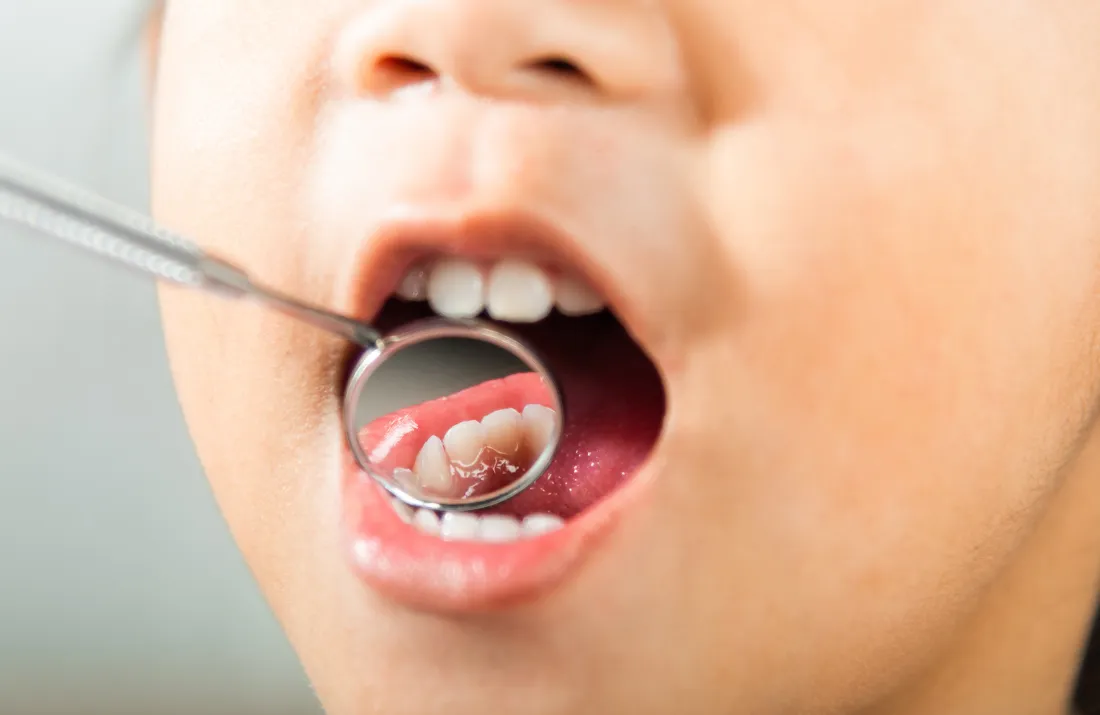
What Are Baby Teeth?
Baby teeth, also known as primary teeth, are the first set of teeth that grow before eventually being replaced by permanent teeth. There are a total of 20 baby teeth, consisting of:
10 upper teeth
10 lower teeth
Baby teeth usually begin to erupt when a baby is around 4–10 months old, although the timing can vary from child to child.
Many parents assume baby teeth are not very important because they will eventually fall out. In fact, baby teeth play a major role in a child’s development.
Why Are Baby Teeth Important Even Though They Will Fall Out?
Baby teeth help children:
Chew food properly
Learn to speak and pronounce words clearly
Maintain space for permanent teeth
Support jaw and facial development
If baby teeth fall out too early or are extracted prematurely, permanent teeth may erupt improperly and increase the risk of crowding later in life.
When Do Baby Teeth Start Growing?
Most babies begin developing their first tooth between 4–10 months of age.
Typically, the lower front teeth are the first to appear. However, some children:
Develop teeth earlier
Only begin teething after 1 year old
As long as the child’s overall growth and development are normal, this variation is not necessarily a concern.
Normal Baby Teeth Eruption Timeline
Below is the common eruption sequence for baby teeth:
Tooth Type | Location | Eruption Age |
Central Incisor | Lower Jaw | 4–10 months |
Central Incisor | Upper Jaw | 6–12 months |
Lateral Incisor | Upper & Lower Jaw | 7–16 months |
First Molar | Upper & Lower Jaw | 13–19 months |
Canine | Upper & Lower Jaw | 16–23 months |
Second Molar | Upper & Lower Jaw | 23–36 months |
Most children will have a complete set of baby teeth by around 2.5–3 years old.
Delayed Baby Teeth Eruption: Should Parents Worry?
Not always.
Tooth eruption can be influenced by:
Genetics
Nutrition
Birth weight
Overall growth and development
However, parents should consult a pediatric dentist if:
No teeth have erupted after 18 months
Tooth eruption appears significantly delayed compared to normal patterns
The child experiences feeding or developmental issues
Signs Your Child Is Teething
As teeth begin to erupt, children may experience:
Mild gum swelling
Increased biting or chewing behavior
Excessive drooling
Fussiness or difficulty sleeping
Temporary decrease in appetite
High fever, severe diarrhea, or vomiting are not typical teething symptoms and should be evaluated further.
How to Properly Care for Baby Teeth
Baby teeth care should begin early—even before all teeth have erupted completely. Parents are encouraged to introduce regular dental visits as soon as the first tooth appears.
Dental care should be adjusted according to the child’s age:
0–1 Year
Clean the gums with a soft cloth
Avoid putting the child to sleep with a milk bottle
1–3 Years
Begin brushing with a rice grain-sized amount of fluoride toothpaste
Establish morning and nighttime brushing routines
3 Years and Older
Use a pea-sized amount of fluoride toothpaste
Teach children to spit out toothpaste properly
Introduce flossing once teeth begin touching each other
In addition:
Limit sugary foods and drinks
Avoid prolonged food holding in the mouth
Schedule dental check-ups every 6 months
Tips to Prevent Cavities in Baby Teeth
Cavities in baby teeth are very common in children.
Ways to reduce the risk include:
Limiting frequent sugary snacks and drinks
Avoiding sleeping with milk bottles
Encouraging water consumption after sugary foods
Brushing teeth twice daily after breakfast and before bed
Routine dental visits starting from the first tooth eruption and every 6 months afterward
Additionally, treatments such as pit & fissure sealants can help protect children’s molars from cavities.
When Do Baby Teeth Start Falling Out?
Baby teeth usually begin falling out around age 6 and continue gradually until ages 12–13.
Baby Teeth Shedding Timeline
Tooth Type | Typical Shedding Age |
Central Incisor | 6–7 years |
Lateral Incisor | 7–8 years |
Canine | 9–12 years |
First Molar | 9–11 years |
Second Molar | 10–12 years |
The order of shedding generally follows the order in which the teeth first erupted.
What If Baby Teeth Do Not Fall Out?
Sometimes permanent teeth begin erupting while baby teeth are still present.
This condition may cause:
Crowded teeth
Shifting of permanent teeth
Misaligned teeth arrangement
When this happens, the dentist will usually perform a clinical and radiographic examination to determine whether the baby tooth should be extracted to allow proper permanent tooth eruption.
Should Cavities in Baby Teeth Still Be Treated?
Yes, absolutely.
Many parents believe baby teeth do not need treatment because they will eventually fall out. However, untreated cavities in baby teeth can lead to:
Tooth pain
Infection
Difficulty eating
Sleep disturbances
Nutritional problems in children
When cavities are detected early, treatment is usually simpler and more comfortable for children.
When Should a Child First Visit the Dentist?
Ideally, children should have their first dental visit:
When the first tooth erupts
Before the age of 1 year
The goal is not only to check for cavities, but also to:
Provide oral hygiene education
Monitor dental growth and development
Help children feel comfortable visiting the dentist from an early age
For parents in Karawaci and surrounding areas, Onyx Dental Center offers a dedicated kids treatment room designed to create a more comfortable and less intimidating first dental experience for children. Early routine examinations can also help detect dental growth problems before they become more complex.
Conclusion
Baby teeth play an essential role in a child’s development, from eating and speaking to maintaining space for permanent teeth.
That is why baby teeth care should never be underestimated. Understanding the eruption sequence, shedding timeline, and ways to prevent cavities can help maintain children’s oral health from an early age.
Regular dental visits are also important to ensure proper dental development and help children become comfortable caring for their teeth.
References
Bagattoni, S., Nascimben, F., Biondi, E., Fitzgibbon, R., Lardani, L., Gatto, M. R., Piana, G., & Mattarozzi, K. (2022). Preparing Children for Their First Dental Visit: A Guide for Parents. Healthcare (Basel, Switzerland), 10(11), 2321. https://doi.org/10.3390/healthcare10112321
Muthu, M. S., Vandana, S., Akila, G., Anusha, M., Kandaswamy, D., & Aswath Narayanan, M. B. (2023). Global variations in eruption chronology of primary teeth: A systematic review and meta-analysis. Archives of Oral Biology, Article 105857. https://doi.org/10.1016/j.archoralbio.2023.105857
Ogodescu, E., Popa, M., Isac, C., Pinosanu, R., Olaru, D., Cismas, A., Tudor, A., & Miron, M. (2022). Eruption Timing and Sequence of Primary Teeth in a Sample of Romanian Children. Diagnostics (Basel, Switzerland), 12(3), 606. https://doi.org/10.3390/diagnostics12030606