Common Myths That Are Still Widely Believed
During Ramadan, various information about dental care circulates widely. However, not all of it is supported by medical facts.
Some common myths include:
Brushing your teeth while fasting can invalidate the fast
Teeth bleaching is unsafe during Ramadan
Veneers do not require maintenance because they are not natural teeth
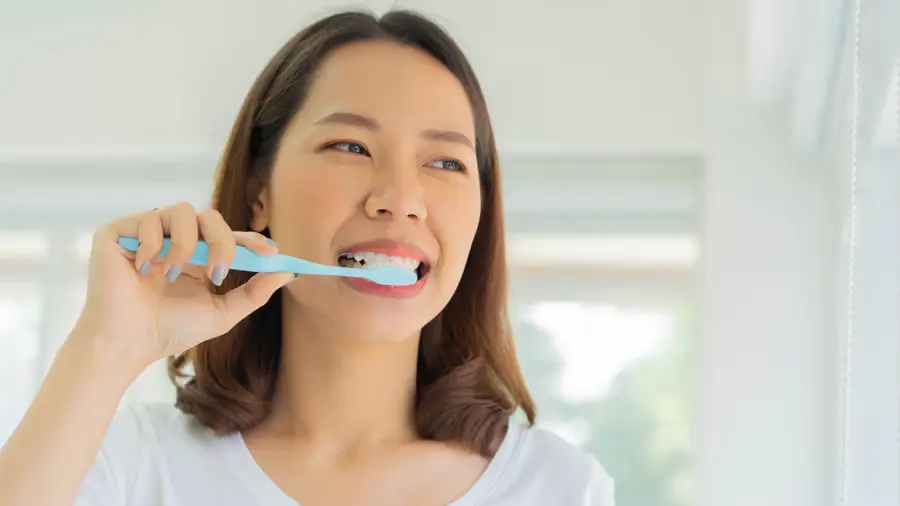
In fact, dental care can still be performed safely. Brushing your teeth does not invalidate fasting as long as nothing is swallowed, and it is actually recommended after suhoor and before bedtime.
Treatments such as bleaching are also safe when done under professional guidance. Meanwhile, maintaining veneers during fasting remains essential, as the surrounding gum tissue and natural teeth are still vulnerable to problems if oral hygiene is not properly maintained.
Medical Facts: Aftercare Determines the Longevity of Aesthetic Results
Procedures such as veneers, teeth whitening, and smile makeovers do not end once the treatment is completed. In fact, post-treatment care is crucial to ensure long-lasting results.
Key points to understand:
Veneers still need proper cleaning to prevent gum inflammation around them
Teeth that have undergone bleaching are temporarily more prone to staining, requiring extra caution with strongly pigmented foods and drinks
Smile makeover results depend not only on the dentist’s work but also on daily habits afterward
Good habits—such as maintaining oral hygiene, controlling food and beverage intake, and avoiding harmful habits—help preserve results. Conversely, poor habits may lead to faster discoloration, gum inflammation, or reduced longevity of veneers over time.
The Challenge of Dry Mouth (Xerostomia) During Fasting
During fasting, the salivary flow rate decreases significantly. Saliva acts as a natural buffer that neutralizes acids and provides a self-cleansing mechanism to maintain oral health.
Medical Risks During Fasting:
Plaque Accumulation Along Veneer Margins
Without saliva’s natural cleansing effect, plaque more easily accumulates at veneer margins. If left untreated, this can lead to brownish lines that compromise aesthetics.Post-Bleaching Discoloration
Newly bleached teeth are in a dehydrated state with increased porosity. Without adequate saliva protection, pigments from tea or sweet drinks during iftar can be absorbed more easily into deeper tooth layers.Chronic Halitosis (Bad Breath)
A dry mouth creates an ideal environment for anaerobic bacteria to thrive. These bacteria break down food debris and produce volatile sulfur compounds (VSC), leading to unpleasant odors. In patients with poorly maintained restorations, this odor can become more intense due to bacterial buildup in hidden areas.Soft Tissue (Gum) Hypersensitivity
Saliva contains essential minerals and proteins that protect oral tissues. When the mouth is dry, gums become thinner, more fragile, and more sensitive to mechanical (toothbrushing) and chemical (spicy or acidic foods) irritation. Inflamed gums (gingivitis) may appear red and swollen, affecting the overall aesthetics of your smile.
For this reason, maintaining oral hygiene during fasting becomes even more important.
Keeping Your Aesthetic Results Optimal Ahead of Eid
As Eid approaches, many individuals seek aesthetic treatments to boost confidence. However, optimal results can only be maintained through consistent care.
Recommended habits:
Brush your teeth twice daily, after suhoor and before bed
Use dental floss to clean between teeth
Limit consumption of highly pigmented foods and beverages
Schedule routine dental check-ups every 6 months
Poor maintenance may lead to:
Faster tooth discoloration
Gum inflammation
Decreased aesthetic quality around veneers
In other words, the best results come from a combination of clinical treatment and disciplined daily care.
Conclusion
Maintaining veneers, teeth whitening results, and smile makeovers during Ramadan can be done safely and effectively. The key lies in consistency—maintaining oral hygiene, managing dietary habits, and following professional advice.
With the right approach, caring for veneers during fasting and preserving aesthetic dental results is not difficult. With proper care, your smile can remain healthy, clean, and confident all the way through Eid al-Fitr.
References
Korkut B. (2018). Smile makeover with direct composite veneers: A two-year follow-up report. Journal of dental research, dental clinics, dental prospects, 12(2), 146–151. https://doi.org/10.15171/joddd.2018.023
Misra, S., Motiwala, Z. Y., Nadeem, F., Gohil, K. M., Puniyani, A., Shetty, G., Waghmare, S. B., & Nimbalkar, A. M. (2025). Recent advances in cosmetic dentistry: A review. Bioinformation, 21(6), 1597–1601. https://doi.org/10.6026/973206300211597