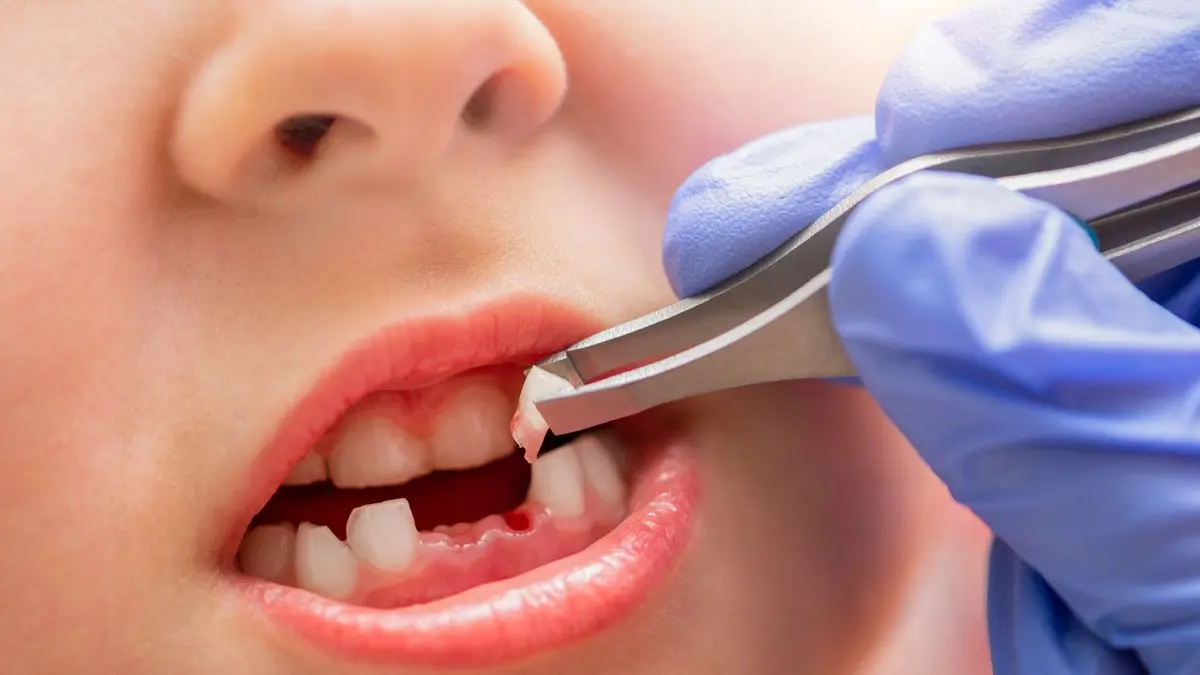
Baby Teeth vs Permanent Teeth
Every child goes through two phases of dental development: baby teeth and permanent teeth.
Baby teeth (primary teeth): 20 teeth
Permanent teeth (adult teeth): 32 teeth
Baby teeth begin to erupt during infancy (around 4–36 months) and play an essential role in:
Helping children eat and speak
Maintaining space for permanent teeth
Supporting proper jaw development
Although temporary, the health of baby teeth significantly influences the quality of permanent teeth later on.
Order and Timeline of Baby Teeth Eruption (Ages 0–3 Years)
Below is the general timeline of baby teeth eruption:
Tooth Type | Location | Eruption Age |
Central Incisors | Lower Jaw | 4–10 months |
Upper Jaw | 6–12 months | |
Lateral Incisors | Upper & Lower Jaw | 7–16 months |
First Molars | Upper & Lower Jaw | 13–19 months |
Canines | Upper & Lower Jaw | 16–23 months |
Second Molars | Upper & Lower Jaw | 23–36 months |
Most children will have a complete set of baby teeth by the age of 2.5–3 years.
It’s important to note that each child develops at a different pace. As long as growth falls within a normal range, there is usually no cause for concern.
When Do Baby Teeth Fall Out and Permanent Teeth Grow In?
Baby teeth typically begin to fall out around the age of 6–7 years and are gradually replaced by permanent teeth.
General sequence:
Ages 6–7: front teeth (incisors) begin to fall out
Ages 9–12: canines and molars are replaced
Ages 12–13: most permanent teeth have erupted
Interestingly, the first permanent molars usually appear around age 6 without replacing any baby teeth. These are often referred to as the “6-year molars.”
Normal vs Concerning Signs During Teething
Normal Signs:
Mild gum swelling
Increased chewing behavior
Excessive drooling
Slight irritability
Signs to Watch For:
High fever
Prolonged diarrhea
No tooth eruption after 12–18 months
Teeth growing in abnormal positions
Baby teeth not falling out despite permanent teeth emerging
If any of these signs occur, it is advisable to consult a dentist promptly.
Tips for Caring for Children’s Teeth at Every Stage
Dental care should be adapted to each stage of growth:
0–1 Year
Clean gums with a soft cloth
Avoid bottle-feeding during sleep
1–3 Years
Start brushing with fluoride toothpaste (rice-sized amount)
Establish a routine of brushing in the morning and before bedtime
3 Years and Above
Use a pea-sized amount of toothpaste
Teach children to rinse and not swallow toothpaste
Introduce flossing when teeth begin to touch
Additional Tips:
Limit sugary foods
Avoid prolonged snacking or holding food in the mouth
Schedule regular dental check-ups every 6 months
When Should You Take Your Child to the Dentist?
Many parents only bring their child to the dentist when problems arise. However, early visits are highly recommended.
Ideally:
First visit: when the first tooth appears or before age 1
Routine check-ups: every 6 months
Visit the Dentist If:
There are cavities
Gums are swollen or bleeding
Persistent bad breath occurs
Teeth alignment appears irregular
Early evaluation helps prevent more complex dental issues in the future.
Comfortable and Guided Teething Care at Onyx Kiddie
At Onyx Dental Center, we understand that a child’s first dental experience shapes their long-term habits.
That’s why we focus on:
A child-friendly approach
Comprehensive parent education
Comfortable, fear-free examinations
Long-term dental growth planning
We believe that building healthy habits early is the best investment for your child’s future smile.
Conclusion
Teething is a natural process that occurs from infancy through adolescence. Understanding the sequence of baby teeth eruption and their replacement timeline helps parents ensure healthy development.
Not all variations indicate a problem, but regular monitoring remains essential to detect conditions that may require attention.
With proper care from an early stage, children’s teeth can grow healthy and support a confident, well-developed smile.
References
Bagattoni, S., Nascimben, F., Biondi, E., Fitzgibbon, R., Lardani, L., Gatto, M. R., Piana, G., & Mattarozzi, K. (2022). Preparing Children for Their First Dental Visit: A Guide for Parents. Healthcare (Basel, Switzerland), 10(11), 2321. https://doi.org/10.3390/healthcare10112321
Muthu, M. S., Vandana, S., Akila, G., Anusha, M., Kandaswamy, D., & Aswath Narayanan, M. B. (2023). Global variations in eruption chronology of primary teeth: A systematic review and meta-analysis. Archives of Oral Biology, Article 105857. https://doi.org/10.1016/j.archoralbio.2023.105857
Ogodescu, E., Popa, M., Isac, C., Pinosanu, R., Olaru, D., Cismas, A., Tudor, A., & Miron, M. (2022). Eruption Timing and Sequence of Primary Teeth in a Sample of Romanian Children. Diagnostics (Basel, Switzerland), 12(3), 606. https://doi.org/10.3390/diagnostics12030606